
Commercial Building Facade Materials Australia: The 2026 Architectural Guide
The standard for a successful commercial building in Australia has shifted from simple aesthetics to long-term survival against an increasingly harsh environment. You know the frustration of watching a premium timber facade grey and crack within just a few seasons, or the stress of navigating the latest AS 1530.1 fire safety regulations. It's a delicate balancing act to find commercial building facade materials australia that satisfy both the building surveyor's checklist and the architect's vision for a modern, high-end finish.
We understand that reliability is just as important as beauty. This 2026 architectural guide promises to simplify your selection process by detailing the essential technical and aesthetic criteria for high-performance facades tailored specifically for our unique climate. We'll explore how advanced composite solutions, such as our Ressisto and Lightissimo ranges, provide the warmth of natural timber without the exhausting maintenance costs. You'll learn how to achieve a compliant, durable, and sophisticated exterior that stands as a testament to quality engineering and steadfast reliability.
Table of Contents
The Evolution of Commercial Building Facade Materials in Australia
The commercial facade has transitioned from a simple structural envelope to a sophisticated, multi-functional shield. In the early days of Australian construction, heavy masonry and local hardwoods were the go-to choices for durability. However, the modern era demands more from our buildings. A facade today must provide high-level thermal insulation, weather protection, and a clear architectural identity that reflects a brand's values. Selecting the right commercial building facade materials australia wide is now a strategic decision that impacts everything from energy efficiency to long-term asset valuation.
We've seen a significant shift toward high-performance composite systems. These materials offer the aesthetic flexibility that traditional brick simply cannot match. They allow for sleeker lines, larger spans, and a level of precision that defines 21st-century architecture. It's about more than just looks; it's about creating a building that performs as well as it appears.
The Impact of the Australian Climate on Material Choice
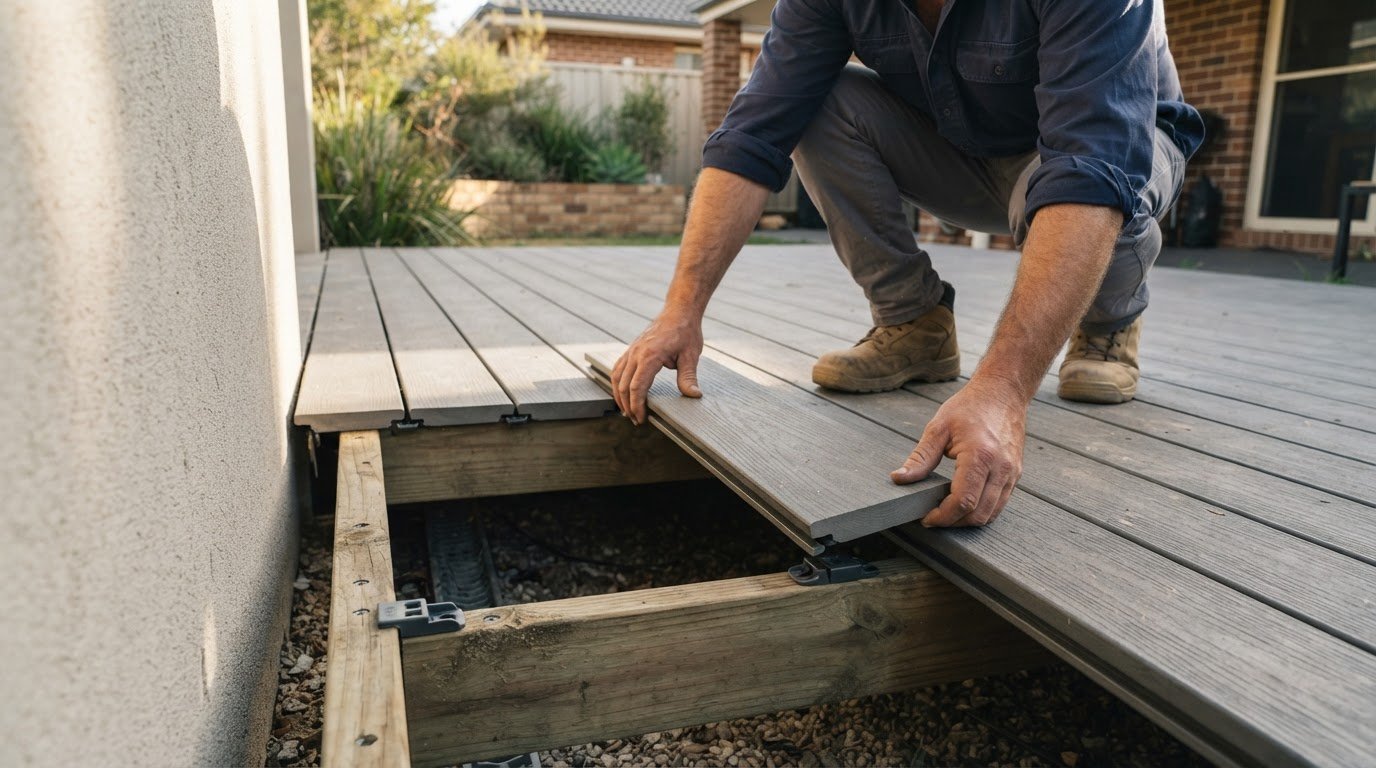
Australia’s climate is uniquely punishing. Our extreme UV levels cause traditional paints to peel and many plastics to become brittle within years. Thermal stability is equally critical. As temperatures fluctuate, materials expand and contract; if they aren't engineered for this movement, the structural integrity of the cladding can fail. This is why we focus on high-level engineering in our cladding ranges. Modern composites are designed to withstand these thermal stresses while maintaining their colour and structural form for decades, even in the most exposed coastal or inland locations.
Why Timber Alternatives are Dominating Commercial Design
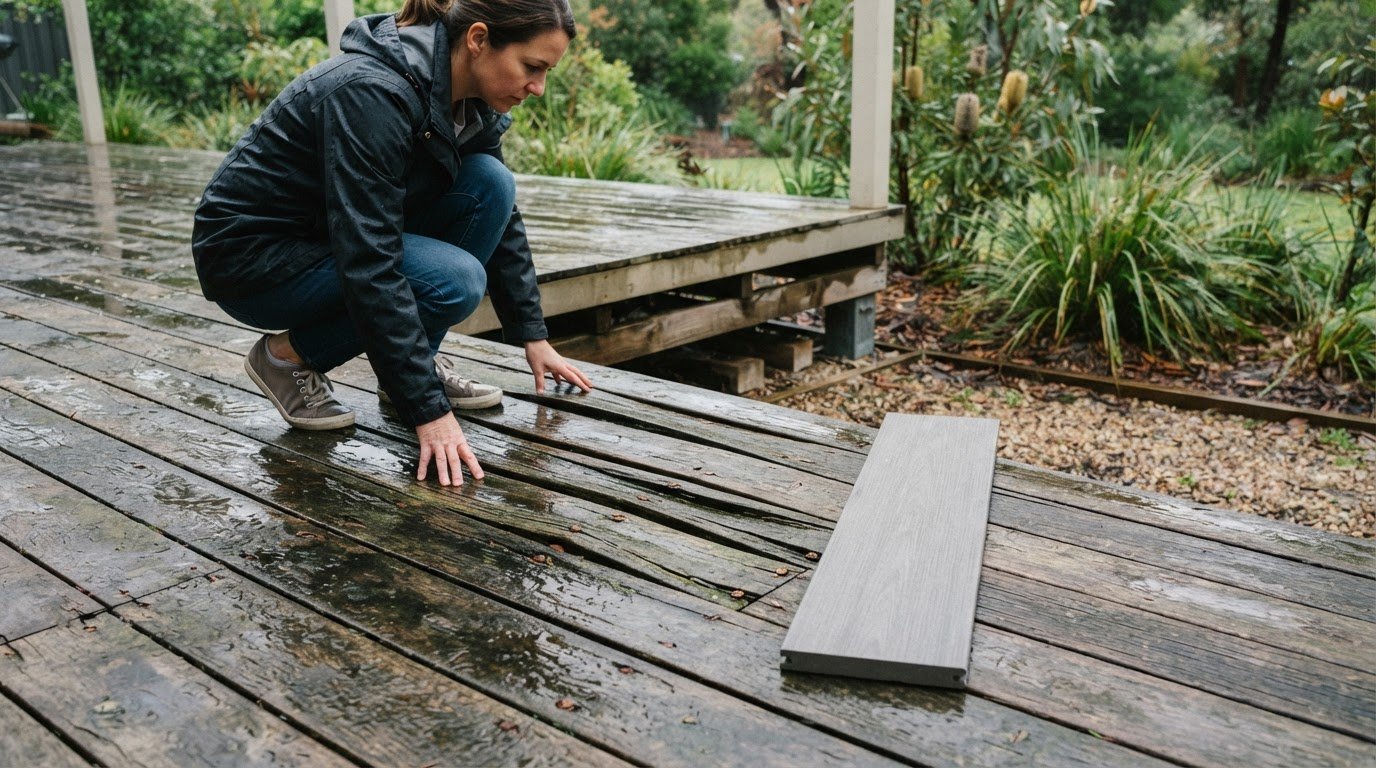
Natural timber has always been prized for its warmth, yet its high maintenance requirements often make it a liability for commercial owners. Sanding and oiling a multi-storey building every two years is a logistical and financial nightmare. Consequently, timber-look composites have become the preferred choice for architects seeking a high-end finish without the upkeep. These alternatives provide the organic texture of wood but are engineered for fire compliance and longevity. By choosing advanced commercial building facade materials australia professionals can achieve a sophisticated look that stays vibrant, ensuring the building remains a premium asset without the recurring costs of traditional timber cladding.
Technical Standards and Compliance for Australian Facades
Meeting regulatory standards is often viewed as a hurdle. In reality, it's the baseline for project viability and long-term insurance security. When selecting commercial building facade materials australia wide, the technical specifications are just as critical as the visual profile. A failure to account for fire safety or structural movement doesn't just risk the building's certificate of occupancy; it risks the safety of its occupants and the integrity of the investment.
Navigating Fire Safety and Non-Combustibility
The Australian building landscape has undergone a significant shift regarding fire safety. Compliance with AS 1530.1 is now a primary requirement for non-combustible materials in commercial construction. This standard ensures that cladding won't contribute to the spread of flame across a building's exterior. For regional developments, understanding Bushfire Attack Level (BAL) ratings is equally vital. Selecting materials that meet these stringent fire-rating certifications is essential for any modern project. You can explore our range of compliant solutions on our homepage to ensure your next build meets every regulatory requirement.
Engineering for Longevity: UV Stability and Moisture Resistance
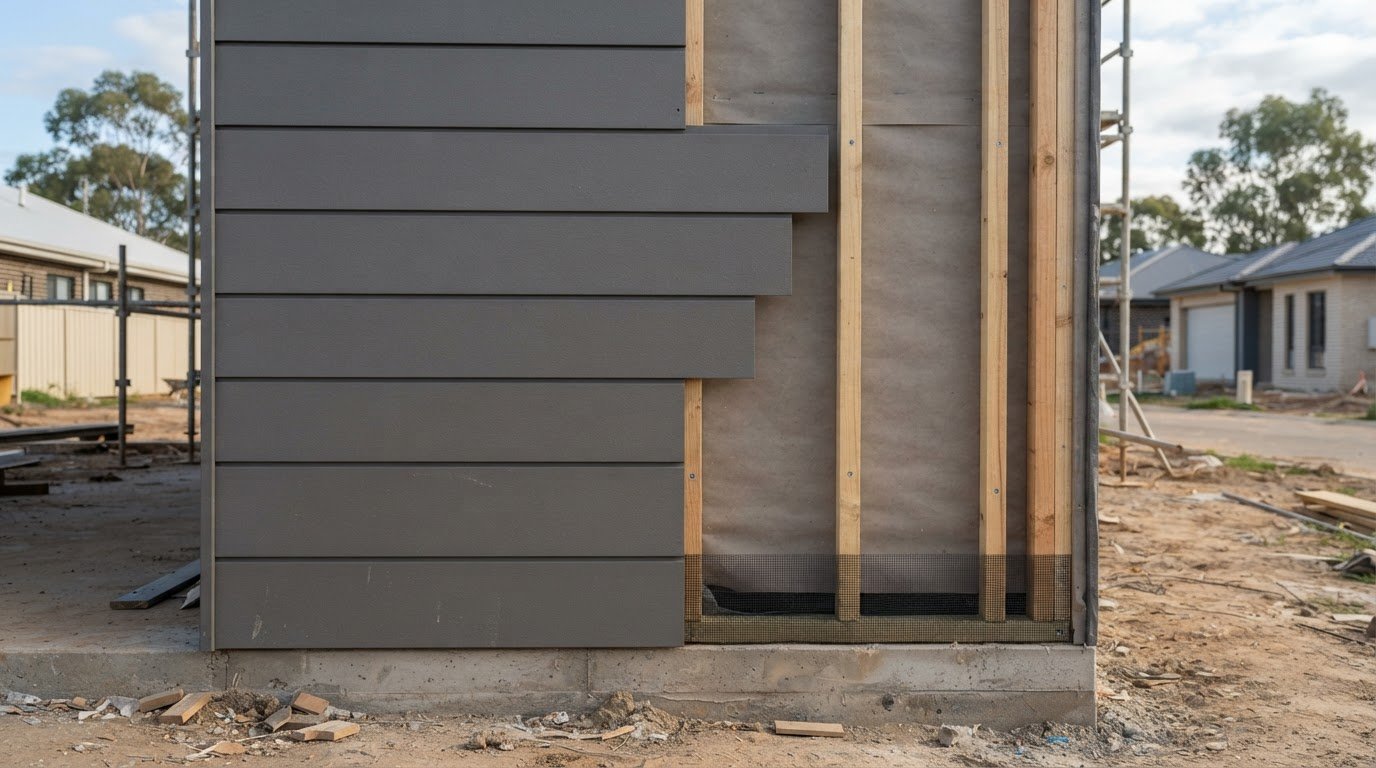
Structural integrity is often compromised by the invisible forces of the Australian sun. High UV levels can degrade the chemical bonds in inferior materials, leading to chalking or brittleness. However, a high-performance facade must also manage thermal expansion. Materials expand in the heat and contract in the cool; if the system isn't engineered to accommodate this movement, the panels may buckle or warp. Moisture resistance is the second pillar of longevity. Engineered composites prevent water ingress, protecting the building's structural frame from rot and corrosion.
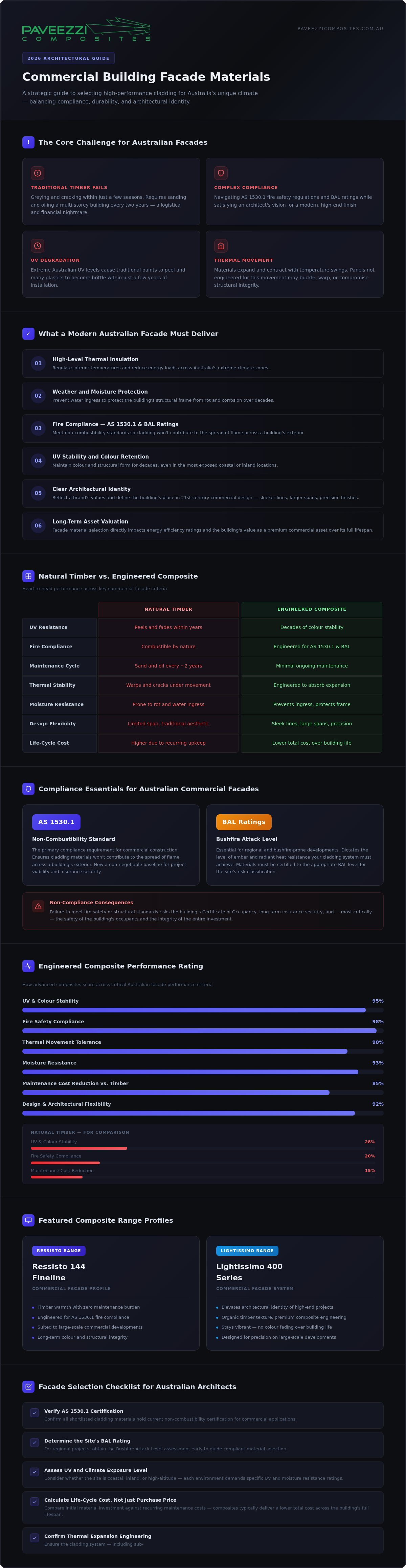
Sub-structure Essentials: From RHINO Pedestals to Aluminium Framing
A facade is only as stable as the system supporting it. The sub-structure must provide a perfectly level surface while allowing for adequate ventilation and drainage. This is where adjustable systems come into play. Using Rhino Self-Leveling pedestals or RHINO Adjustable Pedestals allows for precise height adjustments, ensuring the finished surface is flawless. These sub-structure components are the unsung heroes of facade design. They create the necessary cavity for airflow, which prevents moisture buildup and effectively extends the life of the entire commercial building facade materials australia system.
Strategic Selection: Aesthetics vs. Long-Term Maintenance
The true cost of a building exterior isn't found on the initial invoice. It's revealed over a decade of exposure to the elements. While traditional materials might seem cost-effective at the tender stage, the ongoing maintenance requirements can quickly erode those savings. Choosing high-quality commercial building facade materials australia wide requires a strategic shift in thinking. It's about moving from the lowest upfront price to the best life-cycle value. A facade that requires minimal intervention ensures that the building remains an asset rather than a liability.
Aesthetics play a massive role in commercial success. A building's facade is its first impression; it dictates the calibre of tenants you attract and retain. High-end finishes like the Ressisto 144 Fineline and Lightissimo profiles create a seamless, contemporary look that signals prestige. If a facade looks weathered or poorly maintained, it can negatively impact tenant satisfaction and brand perception. Consistency in colour and texture is essential for maintaining that "new build" appeal over the long term.
Achieving the "Natural Wood" Look Without the Upkeep
Architects often specify timber for its organic warmth and texture. In a commercial setting, however, natural wood is high-risk. It requires regular oiling, sanding, and sealing to prevent greying and rot. Our Ressisto 144 Fineline range offers a sophisticated alternative. It captures the intricate beauty of natural grain while being engineered for zero-maintenance longevity. This allows you to achieve that premium architectural aesthetic without the logistical burden of scheduled upkeep. It's a practical solution for developers who refuse to compromise on style.
The ROI of Low-Maintenance Composite Cladding
Sustainability is no longer a optional extra in 2026. Developers are increasingly prioritising materials with high recycled content and low carbon footprints to meet modern ESG targets. Modern composite cladding delivers on these environmental promises while providing a superior return on investment. By eliminating the need for chemical treatments and repeated refinishing, you significantly reduce the building's operational costs. This strategic selection ensures the property remains a high-performing asset that looks as good in year twenty as it did on day one.
Ready to specify high-performance materials for your next project? Explore our range of premium composite facade solutions today.
Premium Solutions: Elevating Projects with Paveezzi Composites
Choosing the right supplier is just as vital as selecting the material itself. Since 2010, Paveezzi Composites has operated as a family-run pioneer in the Australian market, bridging the gap between high-level engineering and architectural beauty. We understand that commercial projects require a reliable partner who provides consistent quality and technical oversight. Our supply-only model is designed to support independent builders and installers, ensuring they have access to the most advanced commercial building facade materials australia can offer without the complexity of a middleman.
For large-scale commercial surfaces, efficiency and scale are paramount. The Lightissimo 400 and 195 series are frequently specified for these projects because they offer expansive coverage with a clean, modern aesthetic. These profiles allow architects to cover significant surface areas while maintaining a sophisticated visual rhythm. These profiles represent some of the most versatile commercial building facade materials australia has available for large-scale developments. When paired with our non-combustible adjustable pedestals or RHINO pedestals, the result is a perfectly aligned, high-performance exterior that stands up to the rigours of our climate.
Spotlight on Ressisto 144 Fineline Cladding
The Ressisto 144 Fineline represents the pinnacle of our architectural range. It's specifically engineered for those who demand a high-end, seamless finish that mimics the intricate detail of traditional timber. This profile is not just about looks; it's a solution to the pain points of UV degradation and colour fading mentioned earlier. By utilising a meticulous manufacturing process, we ensure that every board maintains its structural integrity and aesthetic appeal, providing a steadfast shield for any commercial asset.
Partnering with Paveezzi for National Material Supply
Achieving a unified commercial exterior often involves integrating various surfaces. You can create a cohesive design language by matching your facade with our premium decking options, such as the Ressisto 143 Brushed or 138 Extra Matte ranges. This holistic approach to material selection ensures that every element of the building, from the ground up, reflects a commitment to excellence. We take pride in our heritage and our role as a trusted guide, helping you navigate the complexities of modern construction with quiet confidence and proven reliability.
Building for the Next Generation
Selecting the right commercial building facade materials australia wide is a decision that defines a project’s legacy. We’ve explored how the shift toward high-performance composites, such as our Ressisto and Lightissimo ranges, addresses the dual challenges of strict fire safety compliance and the relentless Australian sun. By prioritising materials that offer both architectural beauty and low-maintenance longevity, you ensure your development remains a premium asset without the recurring costs of traditional timber. It's about more than just a facade; it's about engineering a shield that performs as well as it looks.
As a family-run pioneer established in 2010, Paveezzi Composites remains committed to providing the technical expertise and meticulous manufacturing standards required for national commercial supply. We’re here to help you navigate the complexities of modern building standards with quiet confidence and reliable solutions. Explore our premium range of architectural facade materials at Paveezzi Composites and take the first step toward a more durable, sophisticated exterior. Your vision deserves a partner that values quality as much as you do.
Frequently Asked Questions
What are the best fire-rated facade materials for Australian commercial buildings?
Non-combustible materials that comply with AS 1530.1 are the gold standard for Australian commercial builds. Our Ressisto 144 Fineline and Lightissimo ranges are engineered to meet these rigorous safety standards. While masonry is traditional, high-performance composites now offer a lightweight, fire-safe alternative that doesn't compromise on architectural style. Always verify the specific fire-rating certifications with your building surveyor to ensure the chosen material perfectly suits your project's specific classification.
How does composite cladding compare to traditional timber in terms of maintenance?
Composite cladding significantly outperforms traditional timber by eliminating the need for periodic sanding, staining, or oiling. Unlike natural wood, which greys and cracks under harsh UV exposure, our engineered profiles maintain their colour and structural integrity for decades. This makes them a superior choice for commercial building facade materials australia wide, as they reduce long-term operational costs and logistical headaches for property managers who want a permanent, high-end architectural finish.
Are Paveezzi composite materials suitable for high-rise commercial projects?
Yes, our materials are specifically engineered for the demands of high-rise commercial developments. The Lightissimo 400 and 195 series provide the scale and durability required for large vertical surfaces. These systems are designed to handle significant wind loads and thermal movement. When combined with our non-combustible adjustable pedestals, they provide a stable, compliant, and sophisticated exterior solution that meets the technical requirements of multi-storey architectural projects across the country.
Can I use Ressisto 144 Fineline for both residential and commercial applications?
The Ressisto 144 Fineline is highly versatile and frequently specified for both high-end residential homes and large-scale commercial buildings. Its intricate, seamless profile provides the sophisticated look required for luxury dwellings while meeting the durability and compliance standards necessary for commercial use. Whether you're designing a boutique retail space or a modern coastal residence, this range offers a consistent, premium aesthetic that survives the toughest environmental conditions in Australia.
What is the expected lifespan of architectural composite cladding in coastal areas?
Engineered architectural composites are designed for extreme longevity, often lasting 25 years or more even in salt-heavy coastal environments. Unlike metal cladding, which can suffer from tea-staining or corrosion, our Ressisto and Lightissimo ranges are moisture-resistant and UV-stable. They won't rot or warp when exposed to sea spray. This makes them some of the most reliable commercial building facade materials australia has for projects situated along our extensive and demanding coastline.
Does Paveezzi provide installation services for commercial projects?
Paveezzi Composites operates on a supply-only model, focusing our expertise on meticulous manufacturing and national material supply. We don't provide direct installation services. Instead, we empower independent builders and specialised installers by providing high-level technical support and premium products. This approach allows us to maintain the highest quality control over our materials while giving you the flexibility to work with your preferred project team for the physical installation phase.
Comments