
Composite Deck Value: How Much Can It Add to Your Home
A deck’s value isn’t captured by resale price alone. A composite deck can add value to an Australian home, but how much value it adds depends on how well it suits the property, its design and finish, and what buyers in that market value. There’s no single uplift that applies to every home.
It’s understandable to weigh potential resale value against the cost of building and the appeal of timber. Look beyond resale, too: composite decking doesn’t require regular staining, painting or sealing, while a well-planned outdoor space can make a home more enjoyable to live in.
This article explains what shapes a deck’s contribution to home value, how composite compares with timber, and what to consider before remodelling. The property’s layout, the deck’s condition and how long you plan to stay can matter as much as the material itself.
Table of Contents
Deck Remodeling: Is It Worth the Investment?
A deck can add resale appeal, but its return depends on the project and local market. For Australian homeowners, weigh potential resale value against enjoyment, upkeep and the time you expect to stay.
Resale value and return on investment
Return on investment compares the value a deck may add at resale with the cost of building it. It helps you assess whether the project’s financial contribution could justify its outlay, rather than assuming the full cost will be recovered at sale.
Remodeling magazine’s 2021 Cost vs. Value Report estimated that US homeowners recouped about 68% of a wood deck addition’s cost and 63% of a composite deck addition’s cost. These figures describe the US market, not an Australian resale result. They show why material, project cost and local buyer demand all matter when estimating the financial return.
Factors shaping deck returns
A deck’s return depends on its condition, design, build quality, scale and fit with the home. A well-integrated outdoor area may appeal more to buyers than a poorly maintained structure that needs work.
Consider the whole garden, too. A deck with clear access and a useful connection to the living area may feel more practical than one that leaves little room for other outdoor use. Local demand and the project’s overall cost also affect resale value. In Australia, deck work needs to follow the supplier’s installation guide, the National Construction Code (NCC) and relevant council requirements. Approval requirements depend on the project and council rules.
Investment and homeowner enjoyment
Enjoyment is the day-to-day value you get from using a deck, separate from its resale return. That distinction matters if you plan to enjoy the space for years before selling.
A family that regularly eats outdoors, for example, may value a functional deck even if a future buyer assesses it differently. Consider composite decking as a long-term investment if you plan to keep the property for five years or more. That gives you more opportunity to use the space, while lower ongoing upkeep may also factor into your decision.
There is no single Australian return that applies to every deck. Location affects buyer interest, while design, garden condition and construction quality shape how the improvement is perceived. Estimates from another country should not be treated as a local forecast. A project’s financial outcome depends on the home, its market and the work involved.
Before committing, weigh likely resale appeal against your own use of the space and the full project scope. For Australian homeowners, composite decking information can help frame the material decision alongside these broader investment considerations.
Composite Decking ROI: How Much Value Does It Add?
In Australia, suitable composite decking can improve buyer appeal and support resale value. Risks include higher initial outlay than timber, surface wear or a style that clashes with the home.
Resale appeal and sale price
Resale appeal is the value buyers place on a deck as part of the home’s outdoor living space. It matters because a tidy, usable deck can make the living space feel more connected to the garden.
Composite decking can contribute to a home’s sale appeal, but it doesn’t create a fixed increase in sale price. Buyers also consider the property’s location, layout and overall condition. A deck that gives a living area an inviting outdoor extension, for example, can be more compelling than one that feels disconnected or difficult to use. Its value comes from the whole improvement, not the material alone.
Maintenance compared with timber
Composite decking needs less routine treatment than timber, making upkeep a useful part of its resale appeal. Timber decking may need periodic care to maintain its appearance and function.
Composite doesn’t require those treatments, although it still benefits from regular cleaning. This can matter to buyers who want outdoor living space without adding recurring finishing work to home maintenance. A clean composite surface, for example, can feel ready to use, while weathered timber may need attention before sale. Cleaning requirements and results depend on the decking and its care instructions.
Warranty and longevity
A warranty sets out the manufacturer’s stated coverage, while product lifespan indicates how long decking can remain in service. Buyers may consider both when weighing future maintenance and replacement against the deck’s current appearance.
Composite decking warranties range from 25 to 50 years and can be transferable. Capped composite decking can last 25 to 30+ years. These figures don’t mean every product has identical coverage or service life. Warranty terms apply to the specific product, so clear product records can help explain what remains covered when ownership changes. Keeping the deck in good condition also supports its presentation during a sale.
Wood and composite comparisons
Timber and composite differ in upkeep, appearance and long-term planning. Comparing these factors helps you choose an improvement that suits your lifestyle and may appeal to future buyers.
Timber offers a natural look, but staining, painting or sealing adds recurring maintenance. Composite avoids those routine treatments, though it still needs cleaning and may have a higher initial outlay. A homeowner who values a natural timber finish may accept more upkeep, while someone prioritising a simpler care routine may favour composite. Neither material automatically delivers a stronger resale result; design, condition and fit with the home remain important.
Explore composite decking options as you consider which finish best suits your outdoor living space and resale priorities.
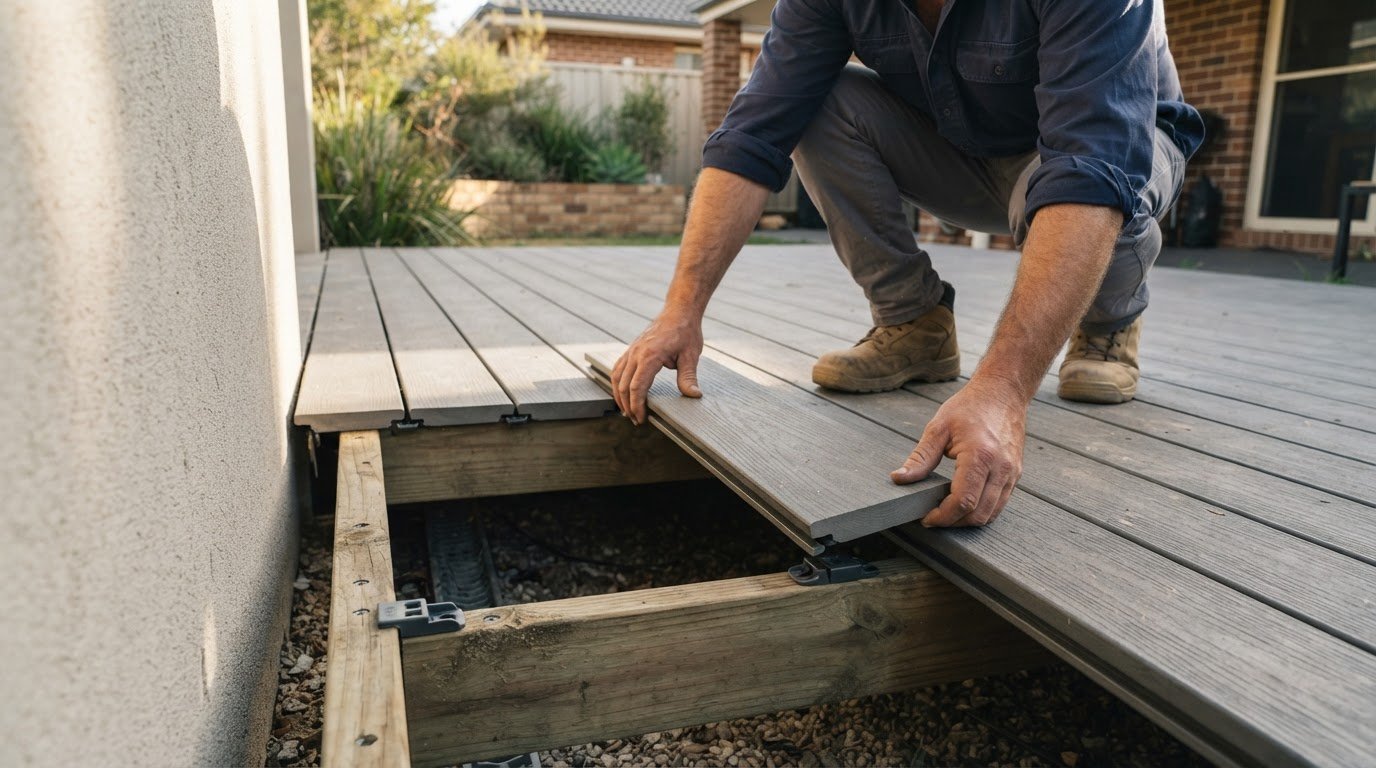
Does a Deck Add Value to a House?
A deck can add practical outdoor space, but its financial contribution depends on the project and property. Assess material, labour and design together before comparing the cost of adding a deck with its potential resale value.
Average timber and composite deck costs
Deck costs include the chosen boards, supporting structure, labour and project complexity. Compare materials with care: treated pine, hardwood and capped composite have different upfront cost profiles.
Australian estimates often use a standard 30m² deck to compare treated pine, hardwood and capped composite. That example provides a consistent area, but the final amount still depends on access, layout and site conditions. A flat backyard design has different requirements from a raised deck or one with multiple levels. Compare the complete project scope, not board prices alone.
Costs and estimated value added
Estimated value added is the deck’s resale contribution considered against the full cost of the addition. This helps distinguish a useful outdoor improvement from the assumption that every dollar spent will return at sale.
A deck addition should account for around 2% to 5% of a home’s total value. Treat this as a planning guide, not a promised resale uplift. A deck that fits the home’s scale and creates usable backyard space may better support buyer interest than an oversized design. Condition and the quality of the finished work also influence how the improvement is perceived.
Material choice affects the balance. Composite may have a higher initial outlay than treated pine, while timber and composite differ in upkeep over time. Compare purchase, construction and future care together. Someone planning to sell soon may weigh upfront spending differently from someone intending to use the deck for years.
Installation and labour costs
Installation and labour costs cover the work required to build the deck, so they can substantially change the project total. A board-only estimate leaves out much of the finished structure.
These are different pricing measures, so don’t add them together as if they were one charge. A difficult-to-access backyard or multi-level design, for example, can require more involved work than a straightforward layout.
Allow for the subframe and other project elements alongside the decking material. A standard 30m² deck estimate includes materials, labour and subframe, illustrating why a complete scope gives a more useful comparison. Ultimately, the financial case depends on the property, the design and the buyer appeal of the finished outdoor area.
Composite versus wood deck value
Composite and wood can both add useful outdoor space, but estimates of their return on investment vary. For a clear comparison, weigh resale figures alongside purchase costs, care and how you’ll use the addition. A national average can offer context, but it can’t reliably predict the result for every Australian home.
US estimates show why the figures need careful interpretation. In a 2019 comparison, wood decks returned 75.6% of project cost, while composite returned 69.1%. A separate 2024 estimate put traditional wood at 82.9% and composite at 68.2%. These are US market results from different reporting periods, not an Australian forecast. They suggest wood can lead on reported resale return, while leaving local outcomes dependent on property and market conditions.
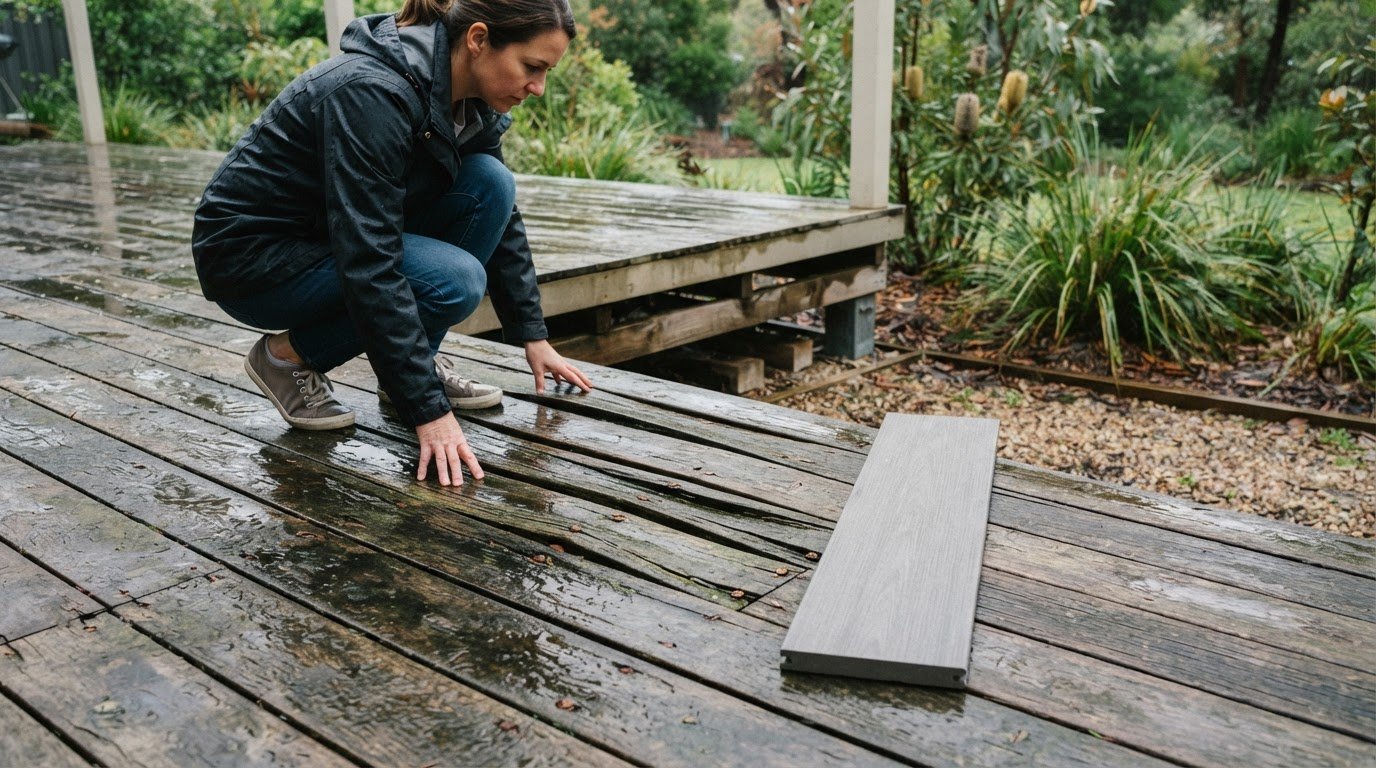
Upfront expense is only one part of the comparison. Wood may need regular staining, painting or sealing to maintain its appearance and function. Composite decking doesn’t require those treatments, though routine cleaning remains part of its care. Compare the upkeep you expect over time as well as the outdoor space each material creates.
Material performance also shapes the comparison. Composite decking is resistant to fading, warping, cracking, insect damage and rot, while natural timber has its own appearance and maintenance needs. These differences can influence how the deck looks when a property is marketed. A neglected timber surface may need attention before sale, for example, while a clean, well-presented deck can make the backyard feel more usable.
Neither material guarantees a stronger return on investment. A well-designed addition that suits the home’s scale and connects naturally with the garden may make a better impression than an oversized or awkward layout. Buyers may also consider the property’s overall condition, not just the decking. The value case includes presentation, practical use and the maintenance expected after purchase.
For Australian owners, use overseas percentages as comparison points only. The decision depends on whether lower routine treatment or a natural timber finish matters more to your plans. Consider how long you’ll use the space, how much maintenance you’re prepared to take on, and whether the design complements the home. That gives you a more practical basis for choosing than a single national ROI figure.
Explore composite decking options to consider how the material could suit your outdoor space and priorities.
Paveezzi Composites
Paveezzi Composites helps homeowners compare composite decking options when weighing appearance, upkeep and how an outdoor area may support their property. The right choice depends on the home’s layout and the finish that suits its architecture, not resale figures alone.
For example, Decking Ressisto 143 Brushed and Decking Ressisto 138 Extra Matte offer different finishes to consider as part of the design. Thinking about the whole project, including the deck’s scale and how it connects with the garden, can help you make a more informed material decision.
If you’re exploring composite decking for your home, contact Paveezzi Composites to discuss the options relevant to your project.
Plan an outdoor space that fits your home
Resale value is only one part of deciding whether to add a deck. Shape the outdoor space around how you live, the home’s design and the upkeep you’re comfortable with. This gives the project a clear purpose beyond a future sale.
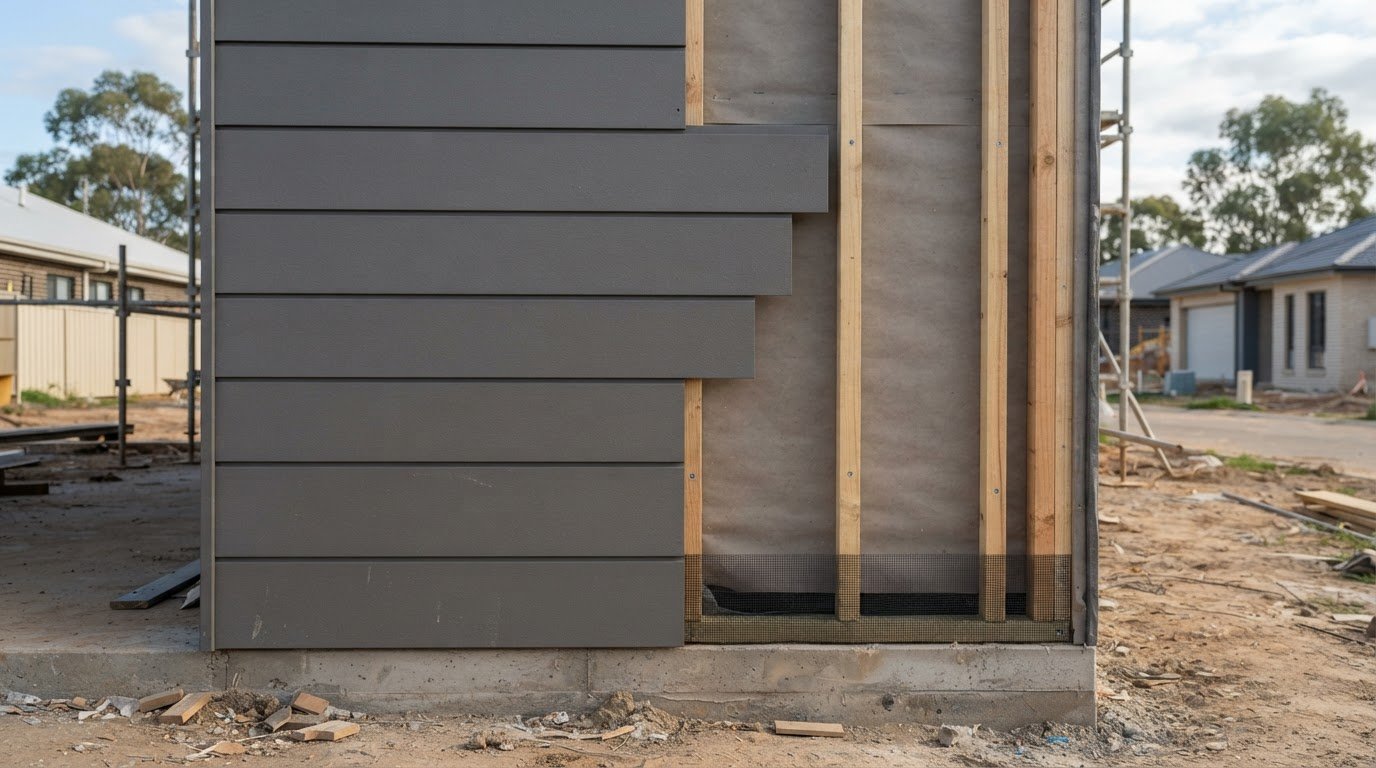
Ultimately, how much value a composite deck adds to a home depends on how well the finished space suits the property and its next owners. Paveezzi Composites offers decking and cladding options, including Decking Ressisto 143 Brushed, Cladding Ressisto 144 Fineline and Cladding Ressisto Lightissimo202. These materials can inform a cohesive design conversation across outdoor areas and exterior finishes.
Bring your priorities for appearance, maintenance and layout into the planning process, then choose a direction that feels right for your home. Explore your project with Paveezzi Composites and take the next step towards a considered outdoor space.
Frequently Asked Questions
Can you over-capitalise on a deck?
Yes, if the deck’s scale or finish costs more than the home and outdoor area can support. A large elevated structure, for example, may feel out of place beside a modest home and limit its appeal to future buyers. Consider whether the design serves a clear purpose, such as outdoor dining, and connects naturally with the house. A balanced addition should complement the property rather than dominate it.
Composite or Timber: What Makes Sense for Aussie Homeowners?
Choose based on the finish you prefer, the care you’re prepared to give the deck and how it suits your home. Timber offers a natural material character, while composite provides a different surface and finish. If the deck adjoins timber flooring or garden features, for example, consider how each material will look alongside them. The right choice supports your intended use and feels consistent with the property.
Does a deck add to internal floor area?
No. A deck is outdoor space, not indoor living area, so it doesn’t count towards a home’s internal floor area. When describing a property, present the deck as an outdoor feature rather than adding its area to the home’s internal measurements. A listing can describe a covered entertaining deck separately from the home’s indoor floor area, for example, so buyers can distinguish enclosed space from outdoor space.
How much does a composite deck increase a home's resale value in Australia?
There’s no fixed Australian sale-price increase for a composite deck. To estimate how much value a composite deck adds to a home, consider how buyers in that market respond to the outdoor space, its condition and the property’s overall presentation. A well-kept deck that complements an entertaining area may strengthen the home’s appeal. Its contribution is assessed as part of the property, not as a guaranteed amount attached to the decking alone.
What is the average return on investment for a composite deck in Australia?
There isn’t one national average return that reliably represents every Australian composite deck project. Return on investment compares the project’s cost with the value attributed to it when the property sells. A deck that fits the home and is presented in excellent condition, for instance, may be viewed differently from one that needs repairs. Local buyer expectations, the property and the completed design all shape that comparison.
How does composite decking compare with timber decking for cost and resale value?
Composite and timber involve different purchase and ownership considerations, so compare the complete project rather than the boards alone. The supporting structure, design and site access affect the total outlay, while resale response depends on the home and its buyers. A homeowner prioritising a particular natural timber appearance may prefer wood; another may value a composite finish. Neither option guarantees a stronger resale result across Australian markets.
Comments