
Low Maintenance Decking Australia: The 2026 Definitive Guide to Composite Solutions
What if your backyard was a sanctuary for relaxation rather than a never-ending list of chores involving sandpaper and heavy tins of oil? For many, the dream of a timber deck quickly turns into a cycle of seasonal labour as the harsh Australian sun fades vibrant colours and causes traditional wood to splinter or warp. Choosing low maintenance decking australia isn't just about picking a different material; it's a strategic engineering decision to reclaim your weekends. You deserve an outdoor space that maintains its integrity against high UV exposure and termite threats without demanding your constant attention.
We understand that you want the natural beauty of timber without the structural headaches that often follow. This definitive 2026 guide will show you how to achieve a stunning, high-performance backyard that stays pristine for decades. We'll examine the technical superiority of the Ressisto 143 Brushed and Ressisto 138 Extra Matte ranges, explaining how these composite solutions provide exceptional slip resistance and thermal resilience. From understanding long-term warranties to selecting finishes that mimic authentic wood grain, you're about to discover the future of effortless outdoor living.
Table of Contents
Why Low Maintenance Decking is Essential for the Australian Lifestyle
The Australian backyard is a place for relaxation, yet for many timber deck owners, it's a source of constant labour. While "maintenance-free" is a myth, choosing low maintenance decking australia represents a genuine game-changer for the modern homeowner. It means swapping the annual grind of sanding and staining for a simple wash with soapy water. This shift isn't just about convenience; it's about reclaiming your weekends from the sander and the brush.
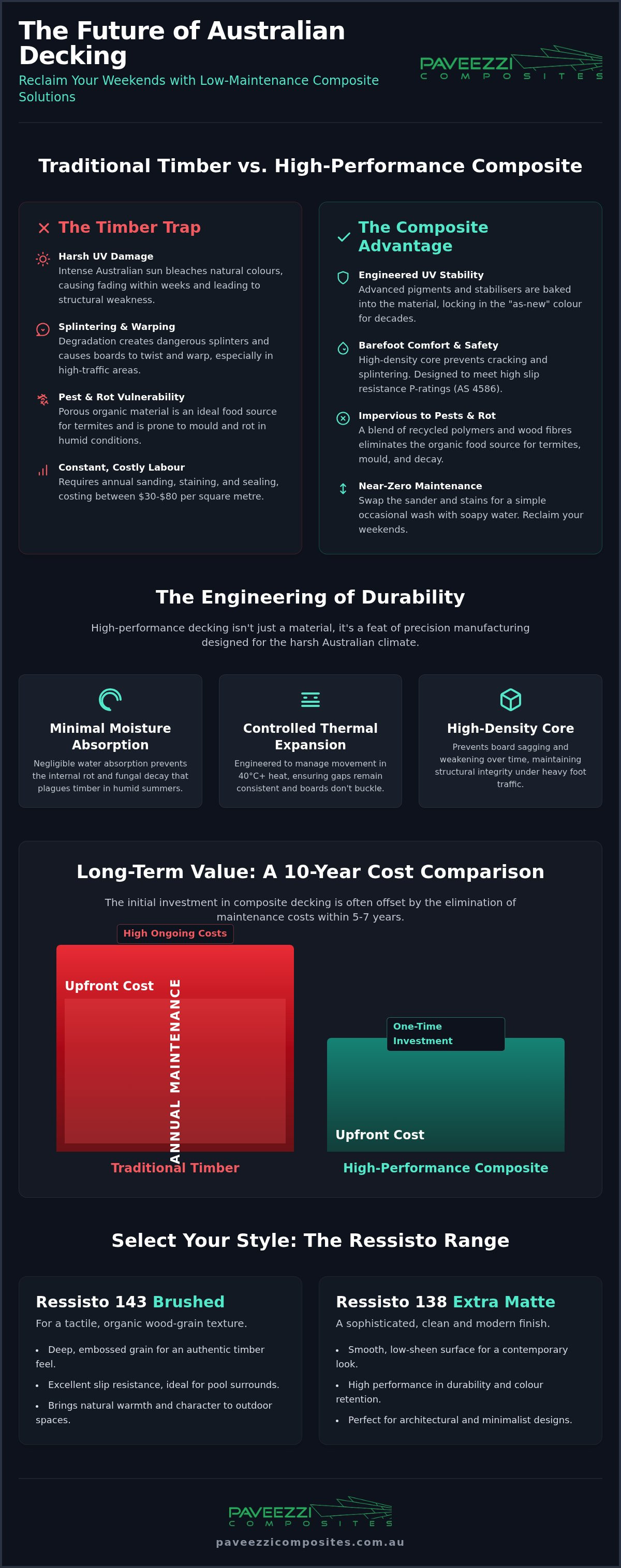
Our climate presents a unique "dry-rot" cycle that punishes traditional wood. Intense UV exposure bleaches natural colours and creates microscopic cracks, which then absorb moisture during humid nights or tropical downpours. Over a ten-year period, the cost-benefit analysis heavily favours composite materials. With timber maintenance costs estimated between $30 and $80 per square metre annually, the financial and physical investment in a hardwood deck often exceeds the price of a high-performance alternative within the first five to seven years.
The Problem with Traditional Timber in Our Climate
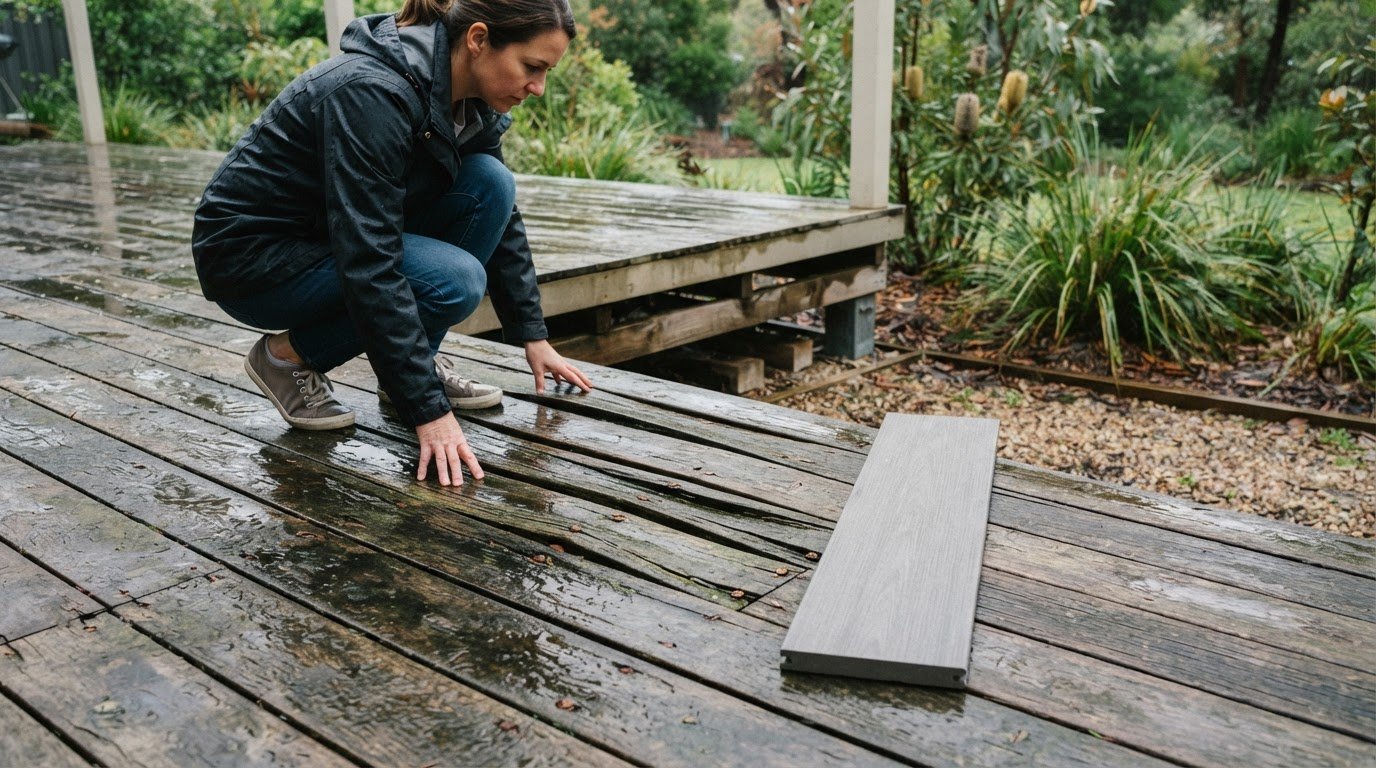
The Australian sun is brutal, often bleaching natural tannins from timber in just a few weeks. This degradation leads to more than just aesthetic fading; it creates a significant risk of splinters and warping in high-traffic family areas. For those living in termite-prone regions, wood also represents a constant vulnerability. High-performance decking solutions provide a steadfast barrier that won't rot or attract pests, ensuring your outdoor space remains safe and structurally sound without the need for toxic chemical treatments.
The Evolution of Composite Technology
Early iterations of Wood-plastic composites (WPCs) were often criticised for their "plastic" appearance. However, the industry has undergone a significant architectural shift. Modern engineering ensures that boards like the Ressisto 143 Brushed series remain structurally sound and visually stunning for decades. Low-maintenance composite decking is a blend of recycled polymers and wood fibres engineered for UV stability. By combining the organic feel of timber with advanced polymer science, these products handle 40-degree heat and heavy rain with quiet confidence, standing as a testament to durability in the face of our harsh environment.
The Engineering of Durability: Timber vs High-Performance Composite
Engineering is the silent hero of any long-lasting outdoor space. While traditional timber is a porous, organic material that naturally degrades, high-performance composite is a feat of precision manufacturing. Investing in low maintenance decking australia requires an understanding of the science beneath the surface. For instance, moisture absorption rates in the Ressisto series are negligible compared to hardwood. This prevents the internal rot and fungal decay that often plague timber decks during humid Australian summers. By eliminating the organic food source for mould, these boards remain structurally sound without the need for chemical preservatives.
Thermal expansion is another critical factor in our climate. When temperatures soar past 40 degrees, materials move. Paveezzi boards are engineered to manage this expansion and contraction through meticulous production standards. This ensures that gaps remain consistent and boards don't buckle under the punishing sun. It's a level of reliability that timber simply cannot match over the long term. UV stability is also baked into the material, using advanced pigments and stabilisers that keep that "as-new" colour for decades without the need for staining.
Structural Integrity and Longevity
The core of a board determines its life span. High-density cores are essential for preventing board sagging, especially in commercial applications with heavy foot traffic. Unlike timber, which can weaken as it dries out and cracks, composite maintains its density. This resistance extends to damp Australian winters, where mould and mildew typically take hold in the grain. When you look at the industry-standard 20 to 25-year warranties offered by leading brands, you're seeing a commitment to steadfast reliability in writing. It's peace of mind that comes from knowing your investment is protected against the elements.
Safety and Barefoot Comfort
Safety is paramount, particularly around pool surrounds where wet surfaces are a constant. Australian P-ratings, governed by AS 4586, define the slip resistance of a surface. Many homeowners are surprised to learn that Ressisto 143 Brushed and Ressisto 138 Extra Matte are designed to meet high slip resistance requirements, making them suitable for commercial ramps and stairs. Explore our full range of high-performance decking to see how these safety standards integrate with modern design.
There's also the myth of heat retention. While all outdoor surfaces get warm in the sun, modern finishes are engineered to manage surface temperatures more effectively than older plastic-heavy products. The result is a deck that is comfortable for bare feet and safe for the whole family. If you're planning a project that demands both style and safety, you might want to view our latest composite solutions to see the difference for yourself.
Selecting Your Style: Brushed, Extra Matte, and Wide Board Options
The aesthetic appeal of your outdoor area shouldn't come at the cost of performance. Selecting the right finish for low maintenance decking australia is a nuanced process that balances tactile experience with architectural vision. While many focus solely on colour, the texture of the board determines how it interacts with the harsh Australian sun and how it feels underfoot. Whether you're aiming for a traditional coastal look or a sharp, contemporary alfresco space, the choice of finish is pivotal. Style meets substance.
The Ressisto 143 Brushed series is engineered for those who value the organic, tactile feel of authentic timber. Its surface is meticulously treated to provide a grain-like texture that offers excellent grip and a soft feel under bare feet. Conversely, the Ressisto 138 Extra Matte option caters to modern architectural designs where a sophisticated, low-sheen finish is required. This matte surface is particularly effective at reducing glare in North-facing areas, providing a calm and visually comfortable environment even in the middle of a summer's day.
Tactile Finishes for Modern Alfresco Areas
The "Brushed" finish stands as the ultimate timber alternative. It provides the sensory satisfaction of wood without the risk of splinters or the need for seasonal oiling. For homeowners with large glass sliding doors, the "Extra Matte" advantage is clear. It minimises the harsh reflections that can bounce from the deck back into the home, maintaining a seamless visual transition. Discover the Ressisto 138 Extra Matte series to see how this finish can elevate your design.
Board Sizes and Layout Geometry
Design trends in 2026 are shifting toward the "Wide Board" look to create a sense of expansive luxury. The Riviera 190 boards are particularly effective in smaller backyards, as fewer join lines can make a compact space feel significantly larger. Using different board widths also allows you to define specific "zones" without the need for physical barriers. You might use a standard width for transitions and wider boards for the main dining area. Learn more about the Ressisto 143 Brushed boards to plan your layout geometry.
Choosing a colour palette that complements the Australian landscape is the final step. From deep, earthy ochres to weathered silvers, the goal is a seamless transition between the built environment and the natural surrounds. If you're ready to select the perfect style for your project, view our complete architectural collection to find your ideal match.
Planning Your Project: Technical Specs and National Supply
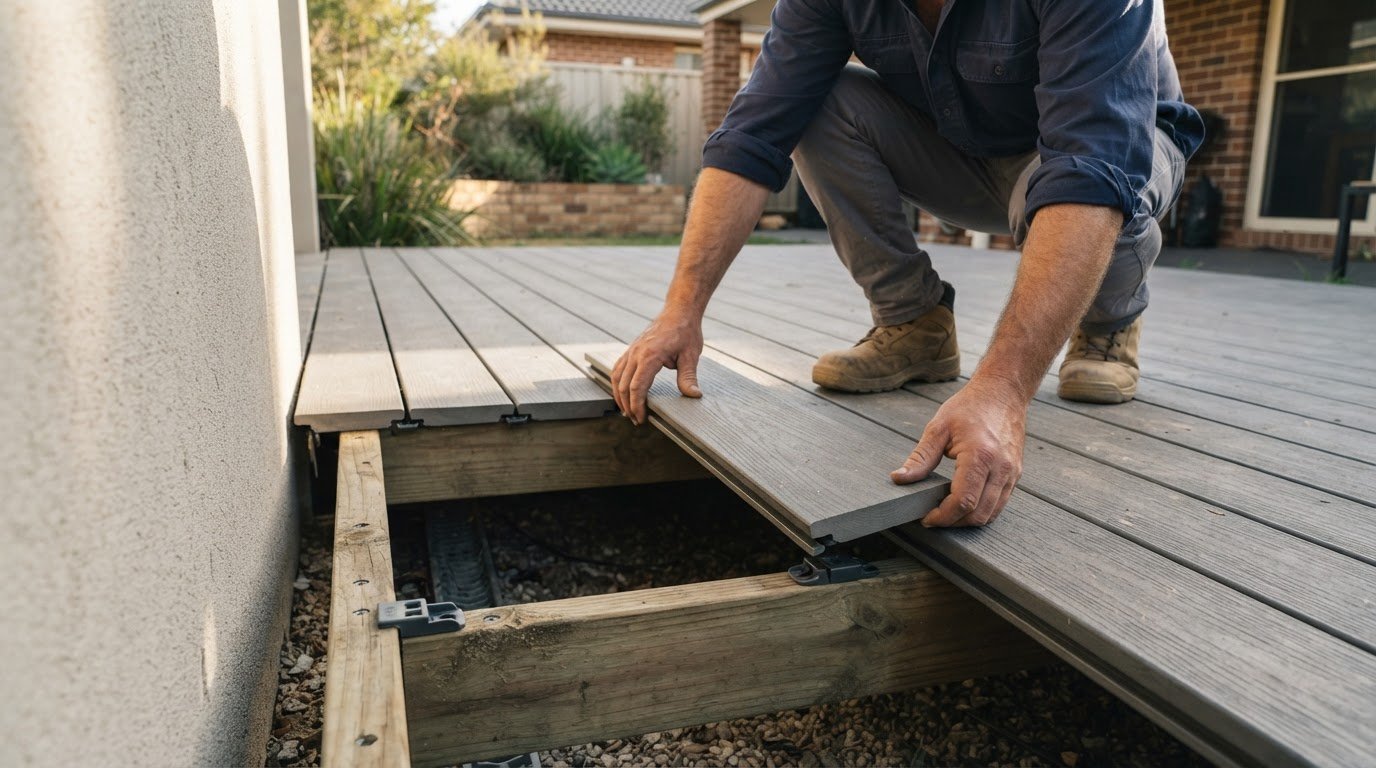
Successful projects begin with technical precision. When planning your layout, calculating requirements for low maintenance decking australia involves more than a simple square-metre measurement. It requires a detailed understanding of board counts, thermal expansion room, and the necessary gaps to ensure long-term stability. Providing adequate drainage and ventilation beneath the subframe is essential to prevent heat build-up. For a professional, safe finish, integrating Ressisto Nosing & Edging Options is a standard requirement for high-end architectural outcomes. These components protect board ends and create a seamless transition on stairs and perimeter edges.
Logistics are just as vital as the material itself. We focus on a "no-nonsense" approach to national supply, ensuring that premium boards reach residential and commercial sites without unnecessary delays. Whether you're managing a large-scale development or a private backyard renovation, understanding the engineering requirements of your specific site will prevent common installation errors. Our team oversees the supply process with the quiet confidence of an industry leader, ensuring every board meets our meticulous production standards before it leaves our facility.
Technical Standards and Compliance
Regional builds must comply with AS 3959 standards for bushfire-prone areas. For projects in BAL 19 to 29 zones, choosing fire-rated composite materials is a critical safety decision. Furthermore, rooftop and balcony projects often present the challenge of uneven substrates. Check out our Rhino Pedestal systems for level decking to see how adjustable, non-combustible solutions simplify complex commercial installs while maintaining structural integrity.
The "Whole-of-Facade" Architectural Approach
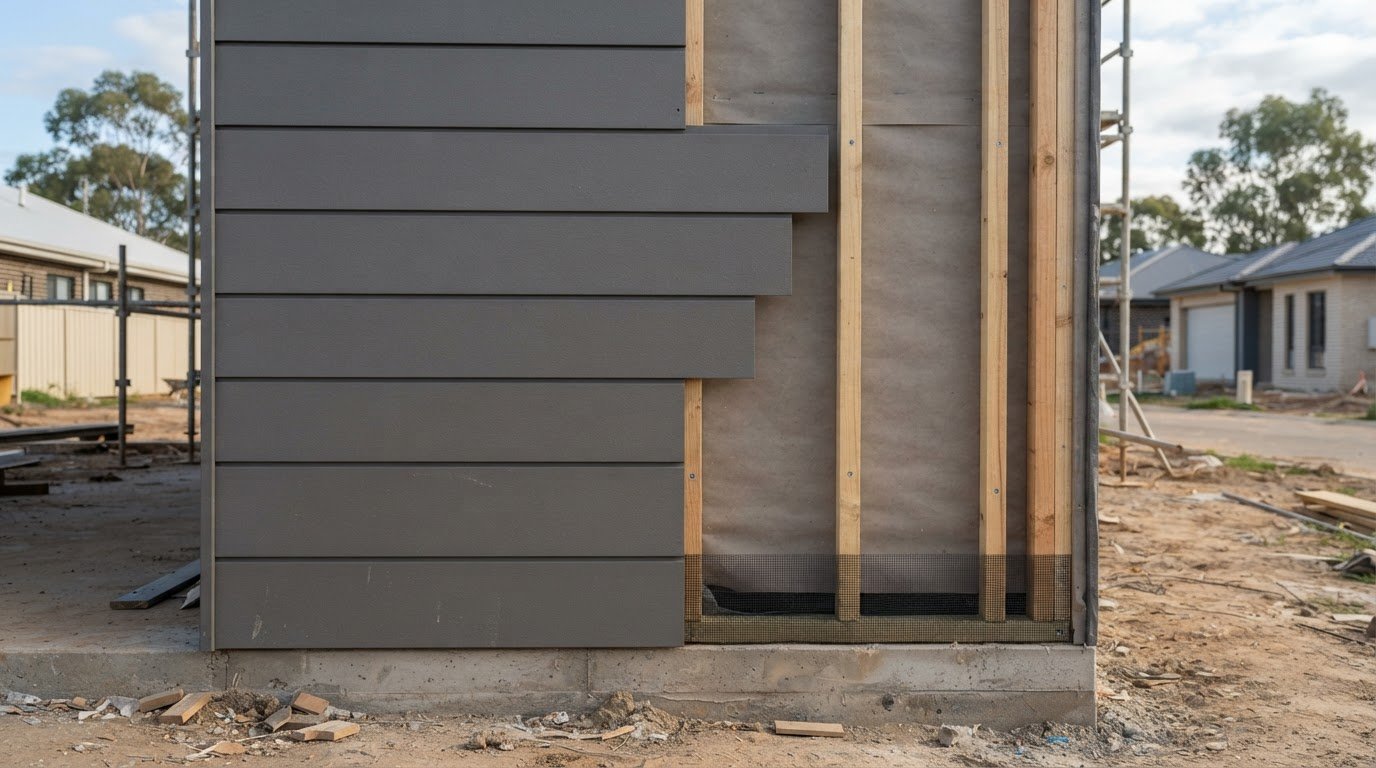
Modern architects are increasingly moving beyond the floor to create a cohesive outdoor narrative. Pairing your deck with vertical elements like Ressisto 144 Fineline cladding creates a unified aesthetic that reflects sophisticated design. This "whole-of-facade" approach ensures that the durability of the deck is matched by the resilience of the walls. Read our 2026 guide to architectural composite cladding for a deeper look at integrated design. As a dedicated provider, we take pride in our heritage and our role as a supportive guide for your construction journey. Learn more about our family-run mission and how we support Australian projects with steadfast reliability.
Elevate Your Outdoor Living with Enduring Quality
Reclaiming your weekends begins with a shift in perspective. You've explored how advanced engineering breaks the relentless cycle of timber upkeep, allowing you to enjoy a backyard that remains pristine for decades. By choosing low maintenance decking australia, you're investing in a solution specifically engineered for the harshest UV conditions our continent delivers. Whether you prefer the organic, tactile feel of Ressisto 143 Brushed boards or the sophisticated, glare-reducing finish of Ressisto 138 Extra Matte, your project is backed by decades of family-run Australian expertise.
From technical compliance in regional builds to the seamless logistics of national supply for residential and commercial facades, we ensure every detail meets our steadfast standards. It's time to move beyond the sander and the brush to a future of effortless elegance. We're ready to help you realise your architectural vision with quiet confidence and reliable performance. Your sanctuary should be a place of rest, not a list of chores.
Request a sample or quote for your national project today and discover the difference that high-performance composite technology makes to your lifestyle.
Frequently Asked Questions
Does low maintenance decking get hotter than timber in the Australian sun?
Surface temperatures on low maintenance decking australia vary based on colour and density, but modern engineering has significantly reduced heat retention compared to early plastic boards. While any material will warm up in 40-degree heat, high-performance composites like the Ressisto series are designed to remain comfortable underfoot. Choosing lighter shades or matte finishes can further assist in heat dissipation, ensuring your alfresco area remains a pleasant space for bare feet throughout the summer months.
Do I ever need to oil or seal my Paveezzi composite deck?
You never need to oil, seal, or stain your Paveezzi composite deck. The protective polymer shell is engineered to maintain its integrity and colour without any chemical treatments. This is a primary benefit for those seeking low maintenance decking australia, as it eliminates the annual cost and labour associated with timber upkeep. A simple wash with warm, soapy water is all that's required to keep the boards looking as-new for decades to come.
Is composite decking really termite-proof?
Composite decking is highly resistant to termites because the wood fibres are encapsulated in recycled polymers, making it an unappealing food source for pests. Unlike traditional timber, which requires regular inspections and chemical barriers, high-performance boards provide a steadfast structural barrier. This durability is essential for Australian homes in high-risk regions, offering peace of mind that your subframe and surface won't be compromised by infestation, rot, or fungal decay over time.
What is the best way to clean a composite deck after a summer barbie?
Cleaning a composite deck after a summer barbie is straightforward and requires no specialist equipment. For grease or food spills, use a soft-bristled brush with warm, soapy water and rinse thoroughly with a garden hose. It's best to address spills quickly to prevent any potential marking on the textured surface. Avoid using pressure washers at high settings or harsh bleach-based cleaners, as these can damage the protective engineering and aesthetic finish of the boards.
Can I use composite decking in bushfire-prone areas (BAL ratings)?
Many composite solutions are suitable for bushfire-prone areas, provided they comply with the AS 3959 Australian Standard. For builds in regions designated as BAL 19 to BAL 29, fire-rated materials are mandatory to ensure the safety of the structure. Always check the specific BAL rating of your chosen range before commencing construction. Our national supply team can provide technical data sheets to help you and your builder ensure full compliance with all local safety regulations.
How does the cost of composite compare to timber over its lifetime?
While the upfront cost of composite is higher than treated pine or some hardwoods, it typically breaks even within five to seven years. Maintaining a timber deck costs between $30 and $80 per square metre annually in oils and sanding equipment. Over a ten-year period, the total cost of ownership for a high-performance deck is significantly lower. You save thousands in materials and, more importantly, hundreds of hours of manual labour.
Comments