
Commercial Exterior Cladding in Australia: A Guide to Architectural Facade Systems
The most striking timber facade becomes a costly liability if it fails to survive the relentless Australian sun or falls short of the rigorous fire safety standards mandated by the NCC 2025. Choosing the right commercial exterior cladding in Australia is no longer just an aesthetic decision; it's a complex balancing act between architectural ambition and uncompromising safety. We understand that for many developers and architects, the pressure to deliver a high-end finish while navigating shifting regulations and rising material costs can feel like a heavy burden.
You deserve a solution that offers the organic beauty of natural wood without the constant maintenance or the risk of non-compliance. This guide explores how to select high-performance, compliant architectural facade systems that are engineered to withstand our unique climate while delivering a premium aesthetic. We'll walk you through the specification process for advanced composite systems, such as the Ressisto and Lightissimo ranges, to ensure your next project achieves a timeless, durable finish that remains beautiful for decades to come.
Key Takeaways
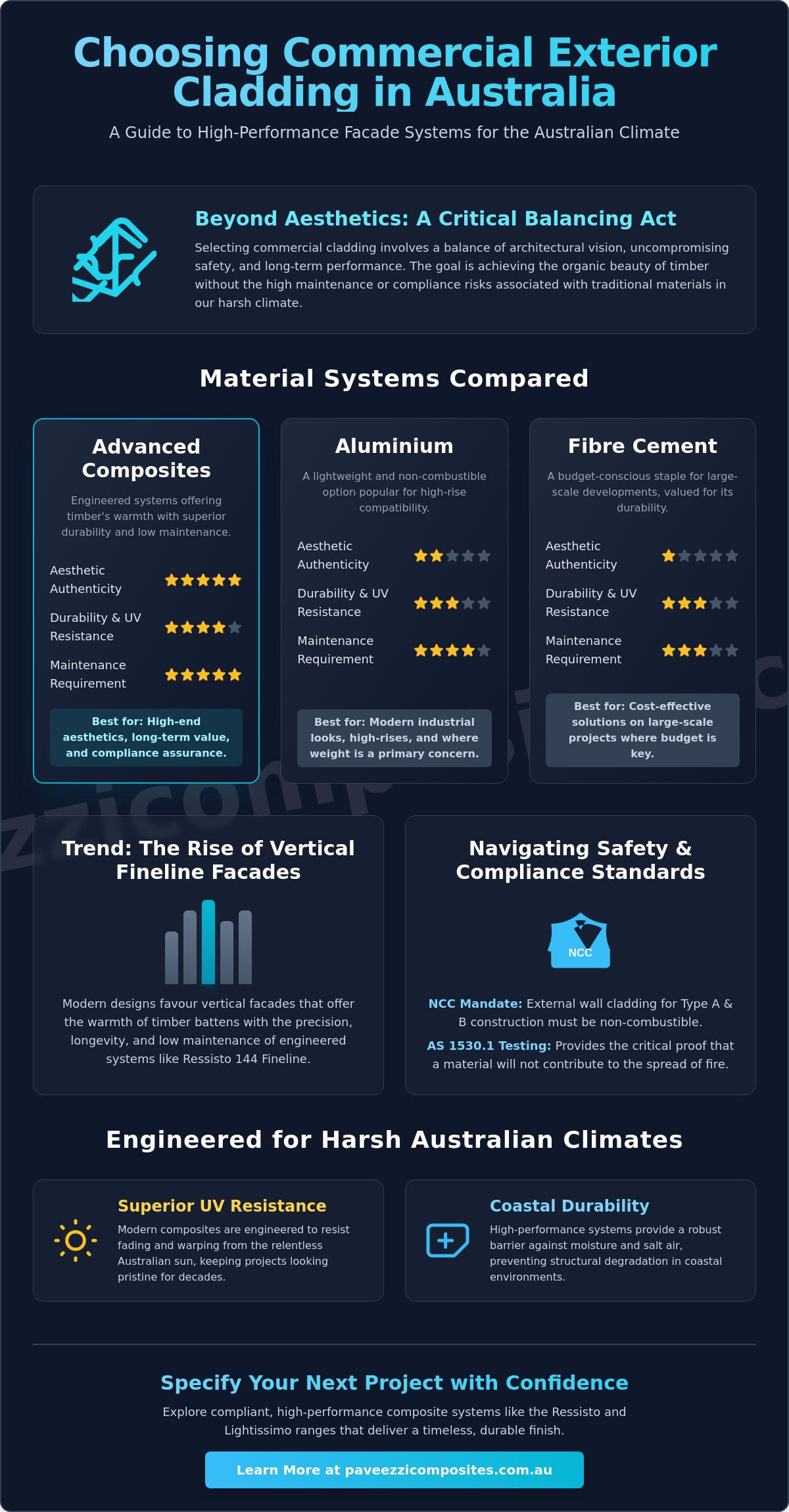
Compare the technical benefits of composite, aluminium, and fibre cement systems to find a solution that balances weight, durability, and a high-end aesthetic.
Learn how to specify commercial exterior cladding in Australia that aligns with the latest NCC fire safety standards while ensuring structural protection.
Explore the design potential of vertical Fineline facades, which offer the warmth of timber battens with the precision and longevity of engineered systems.
Understand the vital performance benchmarks for UV resistance and salt air durability to keep your project looking pristine in Australia’s unforgiving climate.
Follow a structured roadmap for the specification process to help you move from initial concept to the final delivery of compliant materials with confidence.
Table of Contents
What is Commercial Exterior Cladding in the Australian Context?
In the Australian built environment, cladding is far more than a decorative finish. It functions as the primary protective layer, or "skin", that shields a structure from our continent’s extreme weather patterns. Technically, Cladding refers to the application of one material over another to provide thermal insulation and weather resistance. When specifying commercial exterior cladding australia wide, professionals look beyond the surface level. A well-engineered facade system acts as a thermal regulator. It reduces the energy required to cool internal spaces during scorching summers while providing a robust barrier against moisture and structural degradation. It is a meticulous balance of engineering and art.
The acceleration toward composite materials in commercial design isn't accidental. It’s a response to a market that demands efficiency without sacrificing beauty. Traditional materials often struggle with the UV degradation common in our harsh conditions. Modern composites are engineered to resist fading and warping. This reliability makes them a preferred choice for projects where long-term performance is just as important as the initial handover. They represent a future-facing approach to construction that honours heritage while embracing innovation. It’s about building with a sense of steadfast reliability.
The Evolution of Architectural Facade Systems Australia
The industry has moved away from the heavy, labour-intensive masonry of the past. Modern architectural facade systems in Australia now prioritise lightweight, high-performance modular components. These systems streamline installation and reduce site costs. We've seen a palpable shift toward "timber-look" finishes. Architects want the warmth of natural wood but cannot ignore the inherent fire risks or the high maintenance of raw timber. Advanced composite systems have filled this gap. They offer the organic texture of wood with the structural integrity required for large-scale commercial developments. It is about achieving a premium finish that stands the test of time.
Compliance and Safety Standards
Safety is the foundation of any modern build. The National Construction Code (NCC) 2025, which entered its transition phase on 1 May 2026, has further refined the standards for fire performance and weatherproofing. For Type A and B constructions, the mandate is clear. External wall cladding must be non-combustible. This is where testing becomes vital. It provides the empirical proof that a material won't contribute to the spread of fire. While aesthetics drive the vision, compliance ensures the longevity of the investment. It is a matter of peace of mind for developers and a duty of care for the community.
Comparing Material Systems: Composite vs. Aluminium vs. Fibre Cement
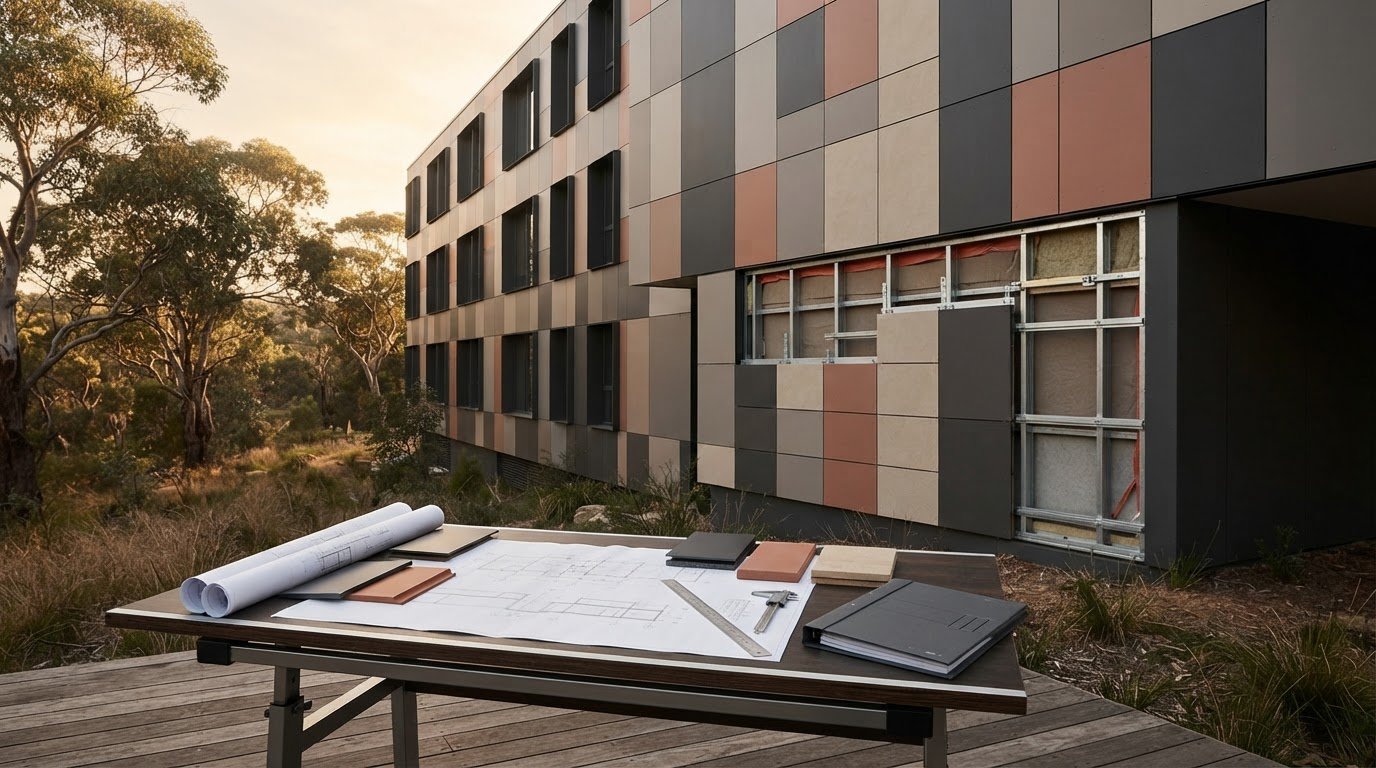
Finding the right balance for commercial exterior cladding australia requires a clear understanding of how different systems perform over a twenty-year lifecycle. While aesthetics often lead the initial conversation, the physical properties of the substrate determine the long-term success of the facade. Aluminium, fibre cement, and engineered composites each offer distinct profiles in terms of weight, durability, and upkeep. Aluminium is exceptionally light and offers high-rise cassette compatibility; however, it often carries a clinical, industrial feel. Fibre cement remains a budget-conscious staple for massive developments, yet it lacks the tactile depth found in premium alternatives.
When we evaluate "timber-look" authenticity, the differences become stark. Metal systems rely on printed or powder-coated finishes that can appear flat or unnaturally reflective under direct sunlight. In contrast, advanced composites provide a textured, organic quality that mimics the grain and warmth of natural wood. This aesthetic appeal is matched by a pragmatic cost-benefit ratio. While the initial investment for a high-performance system might be higher than basic fibre cement, the reduction in lifetime maintenance costs makes it a financially sound choice. You won't face the constant sanding and oiling required by real timber, which is a significant win for commercial assets where ongoing labour is a major expense.
Sustainability is another key driver in modern specification. Modern composite cladding often incorporates recycled content and boasts a longer service life, reducing the need for premature replacement. For those navigating the complexities of material selection, the Victorian Government cladding materials guidance provides essential context on compliance and safety. It's about making a choice that respects both the environment and the project's bottom line.
The Composite Advantage for Commercial Projects
Engineered composites represent a significant leap in UV stability. Early-generation materials often suffered from fading, but modern systems are designed to withstand the intense Australian sun without losing their rich hues. These materials are naturally resistant to rot, termites, and moisture. This makes them indispensable for coastal projects where salt air can be highly corrosive to other substrates. Architects frequently specify the Ressisto series for its superior texture, as it provides a sensory experience that metal simply cannot replicate. It feels grounded and authentic.
Aluminium and Fibre Cement Considerations
Aluminium is a logical choice for high-rise projects requiring specific cassette-style installation. It's non-combustible and highly versatile for complex geometries. Fibre cement serves well on projects where cost is the primary constraint, though it requires careful handling to avoid breakage during installation. The challenge with both materials is the aesthetic "coldness" they can bring to a streetscape. Many developers now use a mixed-material approach. They use aluminium for structural elements while introducing the warmth of Lightissimo series for human-scale areas like entryways and podiums to create a more welcoming atmosphere.
Architectural Trends: The Rise of Vertical Fineline Facades
Modern architectural design is undergoing a significant visual shift as we move deeper into 2026. The traditional preference for horizontal planks is giving way to a more sophisticated, vertical orientation that emphasises height and structural modernism. This trend is particularly evident in the selection of commercial exterior cladding australia wide, where designers are using vertical lines to elongate building volumes and create a sense of aspiration. By breaking up large, monolithic surfaces with rhythmic verticality, architects can define specific building sections and add a layer of human-scale detail to expansive facades. It is a design language that speaks of precision and contemporary elegance.
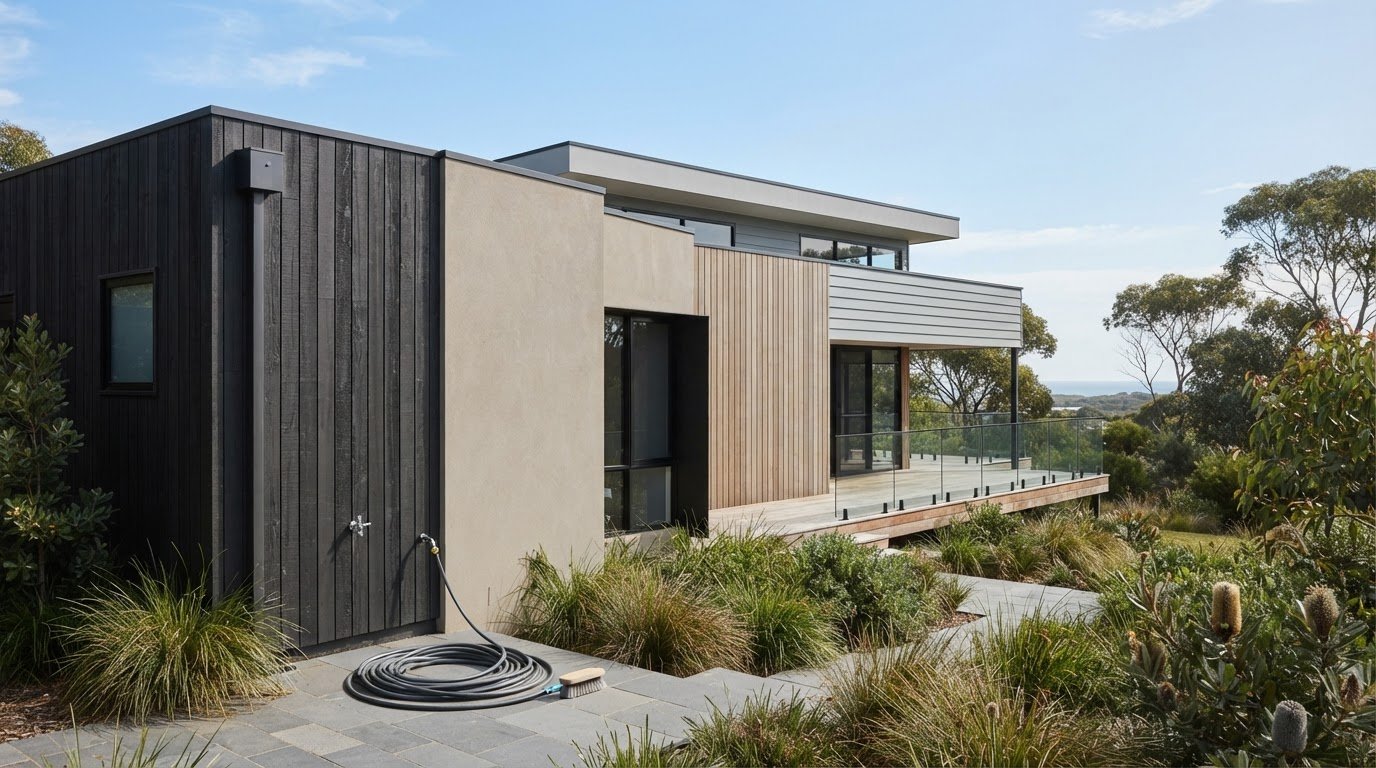
The interplay of light and shadow is central to this aesthetic. As the Australian sun moves across a building, textured composite surfaces create shifting patterns that give the facade a living, breathing quality. This isn't just about a static colour; it's about how the surface reacts to the environment. It adds a level of sophistication that flat, untextured materials simply cannot achieve. Unlike the "clinical" look of flat metal panels mentioned earlier, these textured systems provide a sense of depth. It’s the difference between a building that merely exists and one that truly commands attention through its tactile presence.
Focus on Paveezzi Ressisto Cladding
The Paveezzi Ressisto profile has become a benchmark for this contemporary look. It mimics the appearance of high-end timber battens but provides a level of uniformity and precision that raw wood can't match. The profile creates deep shadow lines that remain sharp and consistent across the entire elevation. For commercial retail and office projects, this system offers a seamless, hidden-fix finish. There are no visible screws or fasteners to disrupt the clean lines. It’s a meticulous solution for those who refuse to compromise on the final architectural vision, ensuring the facade looks as good at close range as it does from the street.
Colour and Texture in Modern Facade Design
Texture is the silent hero of modern facade design. We are seeing a move away from high-gloss surfaces toward extra matte and brushed finishes, which reduce harsh glare and feel more grounded. These finishes help buildings sit more naturally within the Australian landscape. Natural grey and charcoal tones remain the designers' choice in 2026. These shades offer a timeless neutrality that works beautifully alongside glass, stone, and native vegetation. They provide a premium finish that feels both modern and deeply connected to the earth. Selecting these muted tones ensures that the building remains aesthetically relevant for decades, avoiding the pitfalls of more transient colour trends.
Performance Criteria for Harsh Australian Climates
Australia’s climate is a relentless testing ground for building materials. The intense UV radiation and extreme temperature fluctuations of the outback, combined with the corrosive salt spray of our coastal cities, demand a level of engineering that standard products simply cannot offer. When selecting commercial exterior cladding australia wide, the primary concern is preventing UV degradation. Cheaper materials often suffer from "chalking", where the surface breaks down into a powdery residue, or severe fading that ruins the architectural intent within years. Premium composite systems solve this through advanced molecular bonding that locks in colour and ensures the material remains structurally sound under the harshest sun.
Thermal expansion management is another technical hurdle that cannot be overlooked. In regions where daily temperature swings are extreme, a facade must have the room to breathe. This is achieved through meticulous sub-frame engineering and the use of flexible fixing systems that accommodate movement without compromising the building envelope. Without this foresight, panels can buckle or warp, creating long-term structural issues and unsightly gaps. It’s a matter of engineering integrity. Choosing a system that understands these local nuances is the difference between a lasting landmark and a maintenance nightmare. View our high-performance facade range to see how we address these challenges.
Durability Against the Elements
The science behind Paveezzi composite engineering focuses on long-term dimensional stability. Unlike traditional wood-plastic products, our materials are manufactured to resist moisture absorption, which is the primary cause of warping and mould growth. This is particularly relevant under the NCC 2025 guidelines, which place a higher emphasis on weatherproofing and condensation management. By utilising drained and ventilated cavities, these systems protect the building envelope from moisture ingress and internal rot. In high-traffic commercial environments, the impact resistance of the Ressisto series provides an added layer of security against the daily wear and tear of urban life.
Specifying for Longevity
Identifying the difference between high-quality composites and cheap imports is vital for long-term project security. Quality systems will always provide transparent testing data for fire compliance and UV stability. The stability of the facade also relies heavily on what lies beneath the surface. Using robust sub-frames and components ensures the entire system remains level and secure over time. When correctly specified and installed according to Australian standards, a premium composite cladding system is designed to maintain its structural and aesthetic integrity for a lifespan exceeding 25 years.
Specifying the Right System for Your Commercial Project
Specifying commercial exterior cladding australia is a journey that begins long before the first panel is fixed to a sub-frame. It requires a steady, methodical approach to bridge the gap between an architect's creative vision and the rigid performance demands of the NCC 2025. Collaborating with a specialist supplier early in the design phase ensures that aesthetic goals don't clash with fire safety or weatherproofing mandates. This partnership is built on transparency. It involves reviewing technical data sheets, assessing wind load requirements, and verifying that the chosen system has the necessary certification to meet Australian standards. We believe in providing a helpful, authoritative guide through these complexities.
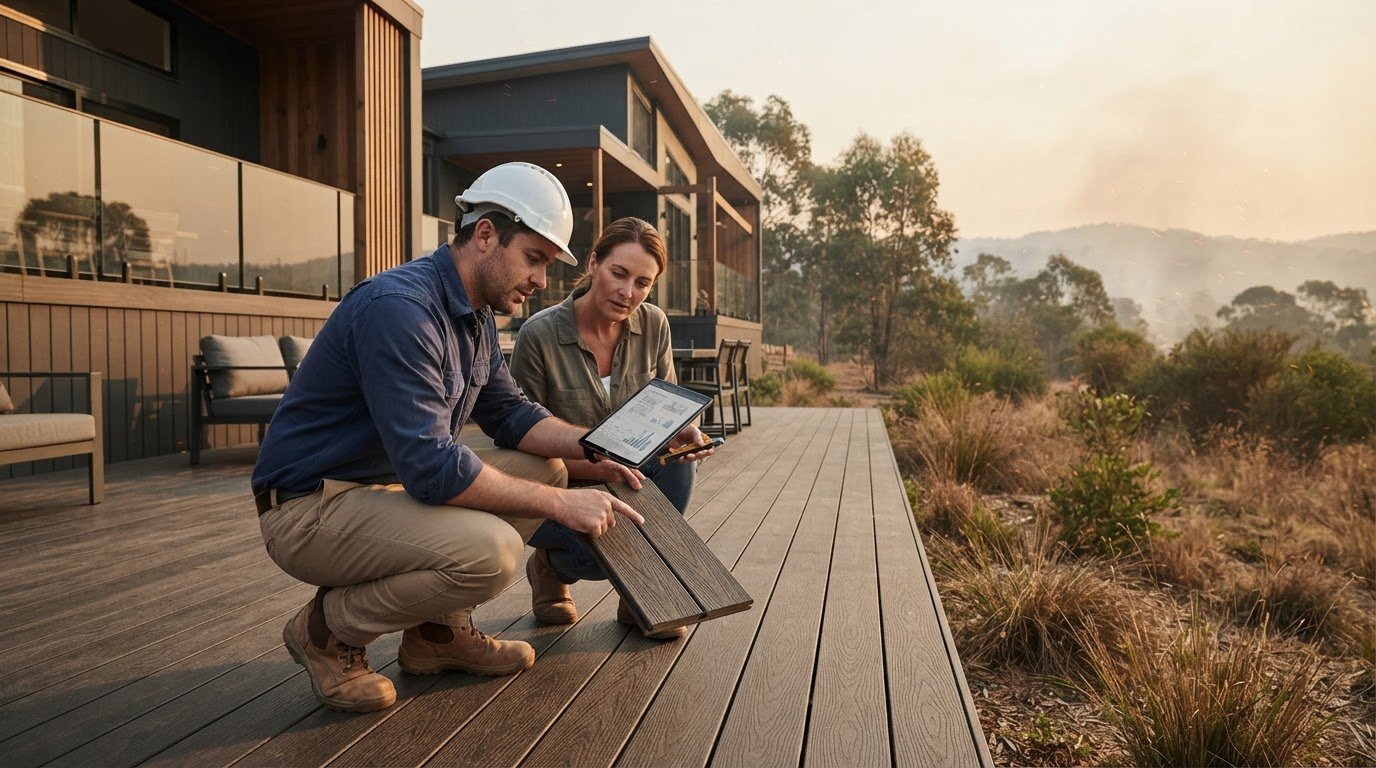
Seeing the material in person is a non-negotiable step in the specification process. Digital renders can only do so much to convey the soul of a building. A physical sample allows you to feel the texture, observe how the colour reacts to local light conditions, and appreciate the build quality of the profile. It provides a sense of security that the final result will match the premium finish promised during the concept stage. At Paveezzi Composites, we have been a part of this architectural landscape since 2010. Our family-run legacy is built on providing passionate problem-solving for developers who value integrity and long-term performance above all else.
Navigating the Selection Process
When looking for a premium wood alternative that doesn't compromise on safety, many designers turn to Ressisto and Lightissimo series. It offers the warmth of natural timber with the engineering benefits of high-grade composites. Holistic design often means looking at the building as a complete system. This involves matching your facade with details like composite decking nosing and edging to create a cohesive visual flow from the ground plane to the roofline. We provide the technical documentation and support needed for complex architectural tenders, ensuring every detail is accounted for before construction begins.
The Paveezzi Difference
Our commitment is simple: we supply only the highest-grade composite materials that we would be proud to use on our own projects. This "no-nonsense" approach to value has positioned us as a stable ally in the construction space. With a national supply chain, we are equipped to support commercial projects across Australia, providing reliable delivery and expert oversight. We aren't just a supplier; we are a dedicated partner invested in the success of your project. Enquire about our architectural facade systems for your next commercial project and let us help you bring your vision to life with confidence.
Future-Proofing Your Next Facade Project
Selecting the right commercial exterior cladding australia wide is a strategic investment in both safety and architectural integrity. By prioritising NCC 2025 compliance and choosing materials engineered for our harsh UV conditions, you ensure your building remains a lasting asset rather than a maintenance liability. Whether you are embracing the vertical Fineline trend or seeking a timeless timber-look finish, the right system must balance bold ambition with the steadfast reliability that only high-performance engineering can provide.
Since 2010, Paveezzi Composites has operated as a proud Australian family-run business dedicated to architectural innovation. We specialise in the high-performance Ressisto and Lightissimo series, providing the technical expertise and meticulous oversight needed for complex commercial-scale developments. Our national supply chain ensures that no matter where your project is located, you have access to the highest-grade materials and supportive guidance. It's about more than just supply; it's about partnering with experts who care about the longevity of your vision.
Explore our full range of Architectural Facade Systems to find the perfect match for your design. We look forward to helping you build a future that is as durable as it is beautiful.
Frequently Asked Questions
Is composite cladding compliant with Australian fire safety regulations?
Compliance is a foundational requirement for all our products. For Type A and B constructions, the National Construction Code (NCC) 2025 mandates the use of non-combustible materials. We focus on supplying systems that meet these rigorous standards, ensuring they have undergone the necessary AS 1530.1 testing. This provides architects and developers with the empirical proof needed to satisfy building certifiers and ensure long-term safety.
How does commercial exterior cladding handle extreme UV exposure in Australia?
Our commercial exterior cladding australia range is engineered with advanced UV-stable pigments that are bonded at a molecular level. This meticulous production process ensures the material resists the intense radiation typical of our climate. By preventing the surface degradation known as "chalking", these systems maintain their structural integrity and rich colour far longer than early-generation composites or painted alternatives. It is a solution built for steadfast reliability.
What is the difference between Ressisto 144 Fineline and standard cladding?
The Ressisto 144 Fineline is a specialised architectural profile designed to mimic the appearance of high-end timber battens. Unlike standard ship-lap or flat cladding, it features deep shadow lines and a hidden-fix system that creates a seamless, contemporary aesthetic. It offers a level of precision and rhythmic verticality that standard profiles cannot achieve, making it a preferred choice for modern retail and office facades.
Can composite cladding be used in coastal commercial projects?
Yes, engineered composites are exceptionally well-suited for coastal environments where salt air is a constant factor. Because the material is naturally non-corrosive, it won't rust like metal or rot like natural timber when exposed to high salinity. It provides a durable, low-maintenance finish for seaside developments, ensuring the building’s exterior remains pristine without the need for constant re-sealing or specialist coatings.
Does Paveezzi Composites provide installation services for commercial facades?
Paveezzi Composites is a specialist supplier and does not provide direct installation services. We pride ourselves on being a "trusted pioneer" in material supply, focusing our expertise on manufacturing integrity and technical documentation. We work as a supportive partner to your chosen architects and builders, providing the detailed guidance and support they need to ensure the facade is installed to the highest standard.
How do I maintain a composite architectural facade system?
Maintenance is remarkably straightforward and cost-effective. Unlike natural timber, these systems don't require sanding, staining, or oiling at any point in their lifecycle. A periodic wash with mild detergent and water is usually all that's needed to remove urban dust or grime. This "no-nonsense" approach to upkeep is a significant advantage for commercial asset managers looking to reduce long-term operational expenses.
What is the lead time for national supply of commercial cladding?
We maintain a robust national supply chain to support large-scale projects across the country. While lead times can vary based on the specific volume and profile required for your commercial exterior cladding australia project, we prioritise clear communication and methodical planning. We recommend early engagement during the specification phase to ensure that material delivery aligns perfectly with your construction schedule and site requirements.
Are there lightweight composite cladding panels suitable for multi-storey builds?
Yes, systems such as the Lightissimo 400 and Ressisto ranges are specifically designed to be lightweight without sacrificing durability. This reduced weight makes them much easier to handle on multi-storey construction sites and places significantly less dead load on the building's structural frame. It allows for the creation of complex, high-end architectural finishes that are both practical to install and structurally efficient.
Comments