
Composite Cladding vs Timber Australia: The Ultimate 2026 Comparison Guide
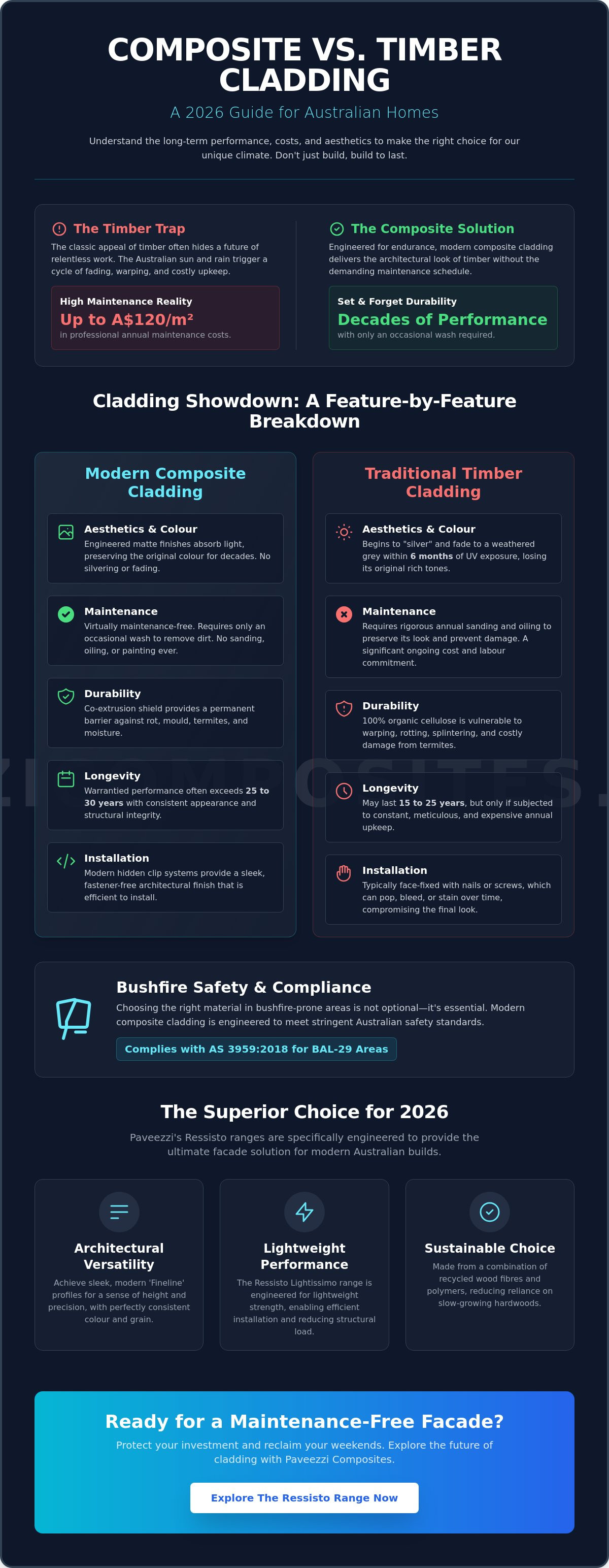
The dream of a timber-clad home often fades as quickly as the wood itself under the relentless Australian sun. While we all admire the organic warmth of a natural facade, the reality of spending every second weekend with a tin of oil and a brush is far from the relaxed lifestyle most of us envision. When weighing up composite cladding vs timber australia homeowners are increasingly discovering that the "classic" choice often carries a hidden tax. With professional timber maintenance costing up to A$120 per square metre, the financial burden is often as heavy as the physical labour.
We understand that your home is both a sanctuary and a significant investment. You deserve a facade that retains its premium architectural finish without the constant threat of warping, rotting, or termite damage. This guide provides the definitive 2026 breakdown of performance, long-term costs, and aesthetic longevity to help you choose the best solution for our unique climate. We will explore everything from AS 3959:2018 compliance to the sensory experience of our Ressisto 144 Fineline and Lightissimo ranges, ensuring your choice stands the test of time.
Key Takeaways
Understand how the intense Australian sun causes natural timber to silver and fade within months, and how engineered matte finishes preserve your home’s original colour.
Compare the long-term financial benefits of composite cladding vs timber australia to see how eliminating annual oiling and sanding creates significant savings.
Navigate the essential safety requirements of AS 3959:2018 to ensure your material selection meets strict BAL-29 and bushfire-prone area regulations.
Discover how modern co-extrusion technology provides a permanent barrier against the rot, mould, and termite concerns that often plague traditional hardwood facades.
Explore the architectural versatility of the Ressisto Lightissimo range, specifically engineered for lightweight performance and efficient installation on modern Australian builds.
Table of Contents
Understanding the Australian Facade: Composite vs Timber Cladding
For decades, the Australian architectural identity has been deeply rooted in the use of native hardwoods. Species like Spotted Gum and Blackbutt are celebrated for their rich, honeyed tones and distinct grain patterns, yet they require an immense commitment to preserve. When debating composite cladding vs timber australia homeowners are now looking beyond the initial aesthetic to the long-term reality of our environment. In cities like Melbourne, where a single day can swing from blistering UV exposure to lashing rain, the physical stress on natural cellulose is extreme. This has led to a significant shift in the 2026 market toward engineered solutions that promise a maintenance-free lifestyle.
Modern Wood-plastic composite (WPC) represents the pinnacle of this shift. Unlike early iterations that sometimes looked synthetic, today’s co-extrusion technology wraps a core of recycled wood fibres and polymers in a protective, high-performance shield. This "capping" ensures the boards remain impervious to moisture and UV degradation. It's a sophisticated marriage of nature and engineering. It's built to last.
The Evolution of Cladding in Australia
Residential design in Australia is moving away from the "build, then fix" cycle. Historically, timber was chosen because it was the only viable option for a natural look. However, as our understanding of UV damage and structural longevity has matured, high-performance composites have emerged as the logical response. Sustainability is no longer a niche preference; it's a non-negotiable standard for the modern specifier. By repurposing waste materials into durable building products, we're reducing the reliance on slow-growing hardwoods and offering a more resilient future for our suburbs.
Key Differences at a Glance
Composition: Traditional timber is 100% organic cellulose. Composite cladding combines recycled wood fibres with stabilised polymers for enhanced strength.
Installation: Timber typically requires face-fixing with nails or screws that can bleed or pop over time. Modern systems like Ressisto 144 Fineline utilise hidden clip mechanisms for a sleek, fastener-free finish.
Longevity: While timber might last 15 to 25 years with rigorous annual oiling, warrantied composite performance often exceeds 25 to 30 years with nothing more than an occasional wash.
Choosing between composite cladding vs timber australia is a decision that defines your home’s character for decades. It's about more than just the look on day one. It's about how that facade performs after five years of relentless sun and coastal storms. We believe in providing solutions that respect the Australian climate rather than fighting against it.
Aesthetic Appeal: Can Composite Match the Warmth of Australian Hardwoods?
The visual allure of natural timber is undeniable, yet its beauty is often fleeting in our harsh environment. Within roughly six months of installation, untreated timber exposed to the relentless Australian sun begins to undergo the "silvering" effect. The vibrant, honeyed tones of a new build quickly fade into a weathered grey as UV rays break down the wood's lignin. While some appreciate this rustic patina, many homeowners find it a disappointing departure from their original design vision. When evaluating composite cladding vs timber australia, the primary aesthetic question is no longer about "natural vs synthetic," but about "temporary vs permanent."
Modern engineering has bridged the gap between performance and organic beauty. We've moved far beyond the shiny, "plastic" look of early-generation composites. Paveezzi’s extra-matte finishes are specifically designed to absorb light rather than reflect it, mimicking the low-sheen elegance of freshly sanded hardwood. This allows for a facade that offers the architectural depth of timber with none of the inevitable degradation. It's a sophisticated choice. It's engineered elegance.
Architects are increasingly leaning toward the "Fineline" trend, which utilises sleek, vertical profiles to create a sense of height and modern precision. While natural timber often features knots, splits, and unpredictable grain variations, high-end composite provides a consistent, rhythmic aesthetic. This predictability is vital for contemporary designs where clean, architectural lines are the hero of the project. You get the warmth of wood with the discipline of modern engineering.
The "Freshly Oiled" Look Forever
The secret to a lasting facade lies in UV-stabilised pigments. Traditional timber requires a fresh coat of oil every 12 months to maintain its rich colour; even then, the results can be patchy. In contrast, products like our Ressisto Lightissimo range are engineered to retain their deep tones for decades. Whether you're seeking the golden hues of Blackbutt or the deeper chocolate of Jarrah, the colour you choose on day one is the colour you'll enjoy in year ten. Architects prefer this predictability because it ensures the building looks exactly as it did in the original 3D renders.
Tactile Finishes and Sensory Experience
A premium facade should appeal to more than just the eyes. The sensory experience of a home is defined by its textures. Our Brushed and Extra Matte finishes provide a tactile surface that feels remarkably like real wood under the hand. For those looking to create a sense of expansive space, wide board options like the Riviera 190 offer a grander scale that complements large-format windows and high ceilings. You can achieve a perfectly cohesive design by matching your external facade to your Ressisto 144 Fineline Cladding, ensuring every element of your home’s exterior speaks the same language of quality.
If you're ready to see how these finishes look in person, we invite you to explore our full range of architectural cladding solutions to find the perfect match for your next project.
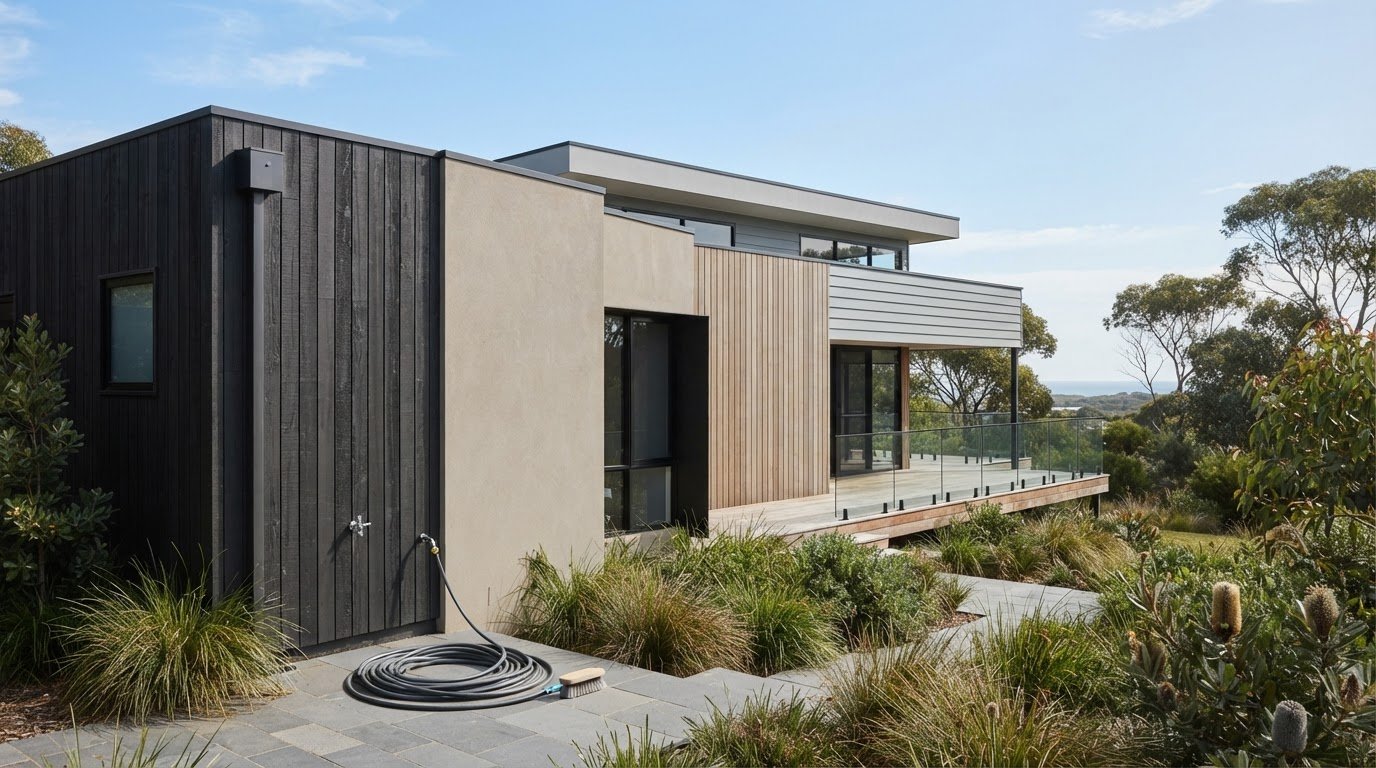
Durability and Maintenance: The True Cost of an Australian Facade
While the initial appeal of a timber facade is high, the ongoing commitment is often underestimated. When comparing composite cladding vs timber australia, the conversation must shift from aesthetics to the "life-cycle cost." Traditional timber is an organic material. It breathes, moves, and eventually, it decays. In humid coastal regions or the high-heat zones of the interior, timber is under constant attack from the elements. This leads to cupping, warping, and splintering as the wood fibres expand and contract. Composite materials are engineered for dimensional stability. They remain straight and true, regardless of the humidity levels or temperature swings. It's a structural advantage that timber simply cannot match.
The structural integrity of your home’s envelope is paramount. Natural wood is prone to "checking" or small cracks that allow moisture to penetrate deep into the board, leading to internal rot. Our engineered boards, such as the Ressisto 144 Fineline, are designed to resist these common failures. By removing the organic vulnerabilities of wood, we provide a facade that maintains its physical strength for decades. It's a set-and-forget solution. It's peace of mind.
The Termite and Rot Factor
Australian subterranean termites cause billions of dollars in structural damage every year. Even treated timber remains a potential target once the protective chemicals leach out over time. Because composite cladding is built with a polymer matrix, it offers no nutritional value to pests. It's a permanent barrier. Additionally, the moisture absorption rate of fully-capped composite boards is negligible compared to timber. This prevents the deep-seated rot and mould growth that can compromise a building's envelope in the wet tropics or during a soggy Melbourne winter.
Calculating the "Maintenance Tax"
The financial reality of timber is what we call the "maintenance tax." Professional cladding maintenance in Australia typically ranges from A$50 to A$120 per square metre. For a standard residential project, this can add up to thousands of dollars every few years. If you're doing the work yourself, you're looking at A$30 to A$80 per square metre in materials alone, not to mention the loss of your weekends. In contrast, maintaining a composite facade requires nothing more than a simple wash with soapy water once or twice a year. Over a ten-year period, the higher upfront cost of composite cladding vs timber australia is almost always eclipsed by the savings in labour, oils, and stains.
Choosing a low-maintenance material isn't just about saving money. It's about reclaiming your time. Instead of spending your spring sanding and oiling your exterior walls, you can enjoy the enduring beauty of a facade that looks as good as the day it was installed. We believe your home should serve you, not the other way around.
Safety and Compliance: Fire Ratings and BAL Requirements
Safety in the Australian building sector is governed by rigorous standards that reflect our unique environmental challenges. When comparing composite cladding vs timber australia, the conversation must address compliance with AS 3959:2018. This standard dictates the construction requirements for buildings in bushfire-prone areas. It isn't just a regulatory hurdle. It's a survival strategy. Research from the 2019-2020 Black Summer fires showed that homes built to BAL-29 or higher standards suffered 40% less structural damage than those with lower ratings. This data underscores why material selection is a critical safety decision. Your choice of facade is your first line of defence.
Traditional timber often struggles to meet these requirements without significant, costly treatments. Even then, the protection can diminish as the wood ages and the treatments leach out. High-performance composite systems are engineered with fire-retardant additives integrated directly into the polymer matrix. This provides a consistent level of protection that doesn't wash away. It's a proactive approach to home safety. It's built for resilience. It's the standard for 2026.
Building in Bushfire Zones
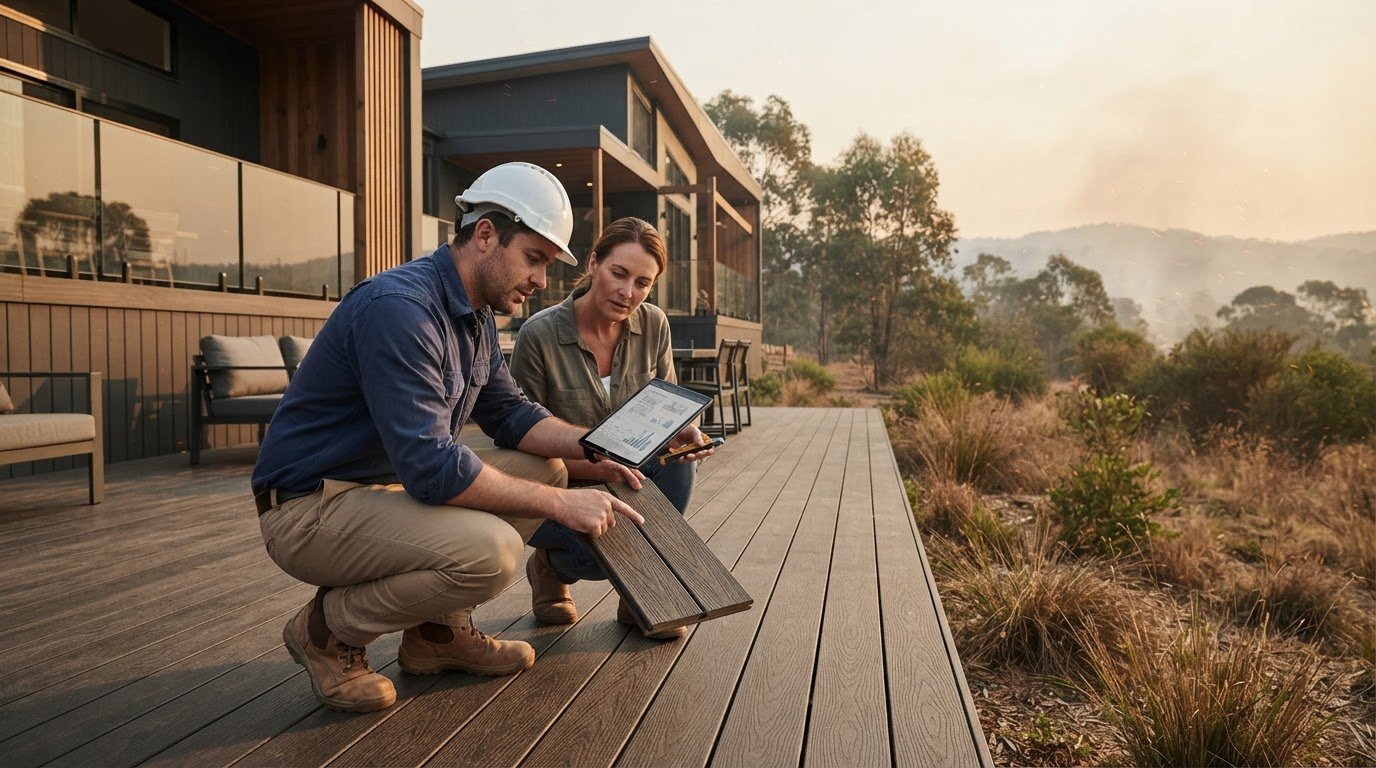
Identifying your property’s Bushfire Attack Level (BAL) is the first step in any new build or renovation. Local council maps provide a baseline, but a professional assessment is often required to confirm your specific risk. In zones rated BAL-12.5 and above, timber cladding is subject to strict limitations regarding species and density. As you move into BAL-29 and BAL-40 zones, the requirements become even more stringent. Choosing a fire-rated composite facade system simplifies compliance and provides a level of security that natural wood simply cannot offer in high-risk areas. It's about protecting your investment and your family.
UV Stability and Thermal Expansion
Australia’s extreme UV index is one of the most aggressive in the world. It doesn't just fade colours; it breaks down the structural integrity of inferior materials. While "cheap" composites often fail under this pressure by becoming brittle or warping, premium ranges like Ressisto are engineered for extreme UV stability. Managing thermal expansion is equally important. Professional-grade installation hardware, such as our hidden clip systems, allows for the natural movement of the boards without compromising the fixing. This prevents the "buckling" effect often seen in low-quality installs. Quality matters. Engineering wins.
If you are planning a build in a bushfire-prone area, we recommend reviewing our compliant architectural facade options to ensure your project meets all current Australian safety standards.
Why Ressisto Composite Cladding is the Superior Choice for 2026
Paveezzi has spent years perfecting the balance between high-end aesthetics and industrial-grade performance. As a trusted pioneer in the Australian market, we've seen the industry evolve from basic plastics to the sophisticated co-extruded polymers seen today. Our family-run operation ensures that every board of Ressisto cladding is backed by local expertise and a steadfast commitment to quality. Unlike large-scale industrial suppliers, we prioritise the personal success of your project. We understand the nuances of the Australian build. We're here to help you get it right. When concluding the debate of composite cladding vs timber australia, the evidence points toward a solution that respects both your time and the environment.
The Ressisto Lightissimo range, including the Lightissimo 400 and 195, represents a significant leap forward for architectural efficiency. These panels are engineered to be lightweight without sacrificing structural integrity, allowing for rapid installation on both residential and commercial sites. In a market where labour costs continue to rise, the speed and precision of the Lightissimo system provide a tangible advantage for developers and homeowners alike. It's about working smarter. It's about choosing the future. It's about a facade that performs as well as it looks.
Architectural Versatility of the Ressisto Range
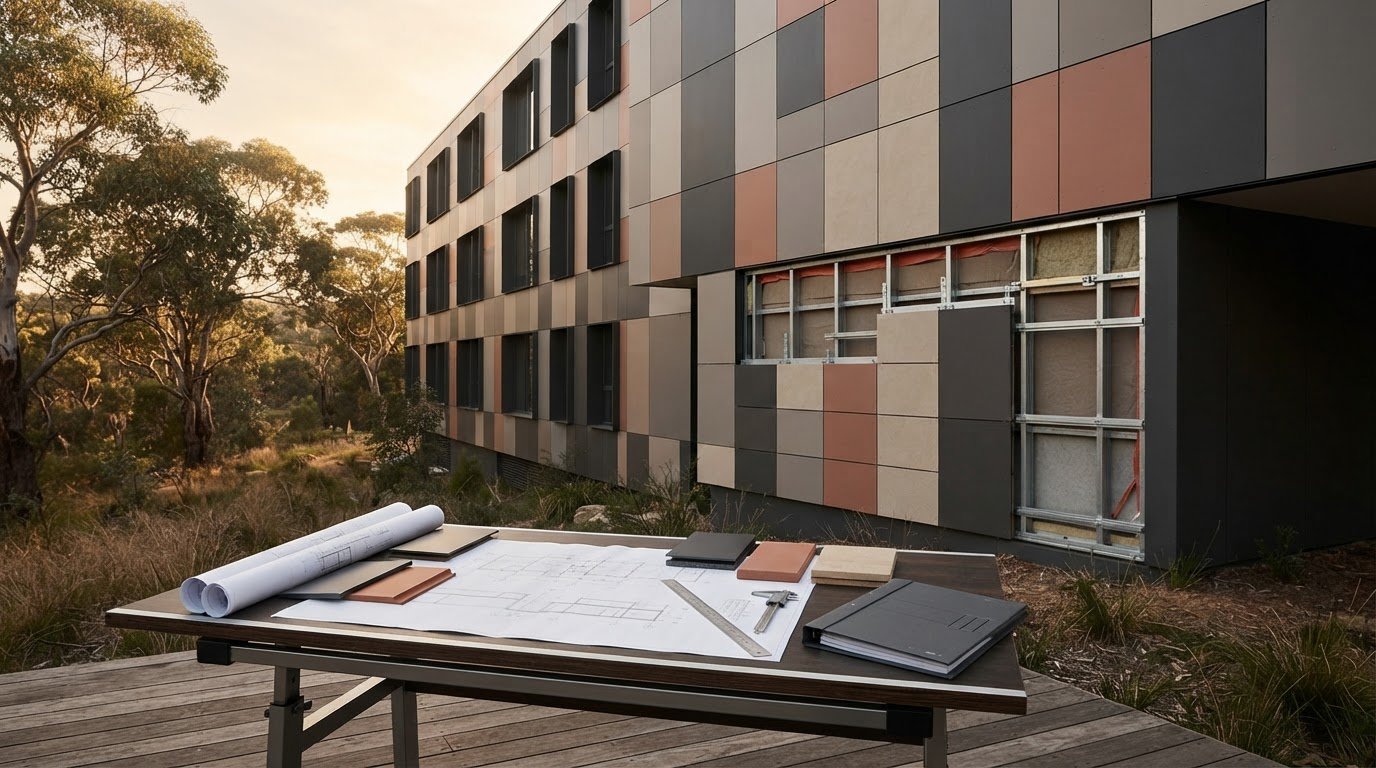
From the sleek verticality of the Ressisto 144 Fineline to the expansive coverage of the Lightissimo series, there is a profile to suit every Australian home style. Achieving a professional finish requires more than just the boards. Our range of Ressisto Nosing and Edging options ensures that every corner and transition is seamless. To specify Paveezzi for your next project, simply include our technical data sheets in your architectural plans to ensure compliance and aesthetic consistency across the entire building envelope.
Sustainability Meets Performance
Environmental consciousness is at the heart of our manufacturing process. By utilising recycled wood fibres and polymers, we reduce the demand for native logging and divert waste from landfills. True sustainability also comes from longevity. Replacing a timber facade every decade is a heavy burden on the planet's resources. A Ressisto facade is designed to last over 25 years, significantly reducing the total environmental footprint of your home over its entire lifespan. It's a choice that feels as good as it looks. It's the logical conclusion when comparing composite cladding vs timber australia for a modern, eco-conscious build.
Experience the quality for yourself. We invite you to visit our Melbourne showroom to see the full range of colours and textures in person, or you can order a sample pack through the Paveezzi website to compare our extra-matte finishes against traditional timber in your own light.
Elevating Your Home with a Future-Proof Facade
Choosing between composite cladding vs timber australia is ultimately about deciding how you want to spend your future. While traditional timber offers a storied history, modern engineering provides a path to architectural excellence without the maintenance tax or safety compromises of the past. By selecting a system that meets AS 3959:2018 standards and resists the harsh UV levels of our climate, you're investing in a home that remains as striking in twenty years as it is today.
As a family-run Australian business since 2010, we've dedicated ourselves to perfecting specialised BAL-rated composite options that don't sacrifice style for safety. Our premium brushed and extra-matte finishes ensure your facade retains its natural warmth without the inevitable fading or rot of organic wood. You deserve a home that works for you. Excellence is engineered. Build with confidence.
Explore the Ressisto Cladding Range and Request a Sample Pack Today. We look forward to helping you build something beautiful.
Frequently Asked Questions
Is composite cladding more expensive than timber in Australia?
Composite cladding typically has a higher initial purchase price compared to traditional timber. However, when evaluating composite cladding vs timber australia, it's essential to consider the total cost of ownership. Timber requires annual oiling and staining, which can cost between A$50 and A$120 per square metre for professional work. Over a decade, these maintenance expenses often exceed the initial investment of a premium composite system, making it a more economical choice long-term.
Does composite cladding fade in the Australian sun?
High-quality composite cladding is engineered with UV-stabilised pigments to resist the intense Australian sun. While natural timber silvers and fades within six months, premium products like Ressisto maintain their original colour for years. There might be a very slight initial weathering period, but the boards won't require restaining or painting to stay vibrant. This stability ensures your home’s architectural vision remains intact without the constant need for colour restoration.
Can I install composite cladding myself, or do I need a builder?
While some experienced DIY enthusiasts may choose to install composite cladding, we generally recommend engaging a qualified builder or carpenter. Professional installation ensures that the facade meets the National Construction Code (NCC) requirements and specific Bushfire Attack Level (BAL) standards. Proper mechanical fixing and managing thermal expansion are critical for the system's longevity. A professional install also guarantees that your warranty remains valid and the architectural lines remain perfectly straight.
Is composite cladding fireproof for bushfire-prone areas (BAL)?
No material is entirely "fireproof," but many composite systems are specifically engineered to meet Australian Standard AS 3959:2018. When comparing composite cladding vs timber australia, composites often achieve higher safety ratings like BAL-29 due to fire-retardant additives. For high-risk zones, it's vital to check the specific fire certificate of the product. Our Ressisto range includes options designed for compliance in bushfire-prone areas, providing a safer alternative to many traditional timber species.
How do I clean and maintain my composite cladding facade?
Maintenance is remarkably straightforward and requires no specialised equipment or chemicals. You simply need to wash the facade once or twice a year with warm, soapy water and a soft-bristled brush to remove dust and environmental debris. Unlike timber, there is no need for sanding, oiling, or sealing. This low-to-zero maintenance requirement is a primary reason why many Australian homeowners are switching to engineered facades for their modern builds.
Does composite cladding get hotter than natural timber in summer?
The heat retention of composite cladding is comparable to that of natural timber, though the specific colour choice has a more significant impact. Darker shades, whether in timber or composite, will absorb more radiant heat from the sun. Our premium boards are designed with thermal stability in mind to manage expansion and contraction. Proper installation with an adequate ventilation cavity behind the boards helps dissipate heat and maintains the energy efficiency of your home.
What is the lifespan of a premium composite cladding system like Ressisto?
A premium composite cladding system like Ressisto is engineered to last between 25 and 30 years or more. This longevity significantly outpaces traditional timber, which typically has a lifespan of 15 to 25 years and only if it receives rigorous annual maintenance. Because the co-extruded shield protects against rot, termites, and moisture, the structural integrity of the boards remains sound for decades. It's a durable, long-term investment in your property's value.
Comments