
Slip Resistant Composite Decking Australia: The 2026 Safety & Performance Guide
Imagine a typical Australian summer afternoon by the pool where the only sound should be laughter, yet you find yourself constantly bracing for the heart-stopping moment a family member slips on a wet board. It's a common anxiety for homeowners who value safety but dread the thought of a deck that feels like coarse sandpaper under their bare feet. You deserve an outdoor space that balances aesthetic elegance with rigorous technical performance. Finding the right slip resistant composite decking Australia requires more than just a quick glance at a brochure; it demands an understanding of how materials behave under our unique environmental pressures.
We understand that the maze of P-ratings and National Construction Code compliance can feel overwhelming. This guide is designed to clear that confusion, offering you the clarity needed to select a surface that meets the highest safety standards without sacrificing the soul of natural timber. We'll explore the science behind slip-rated surfaces, the importance of capped technology for long-term grip, and how to ensure your project remains compliant and beautiful for decades to come. Your peace of mind starts with making an informed choice for your home.
Table of Contents
Slip Resistant Composite Decking Australia: Decoding the P-Rating System
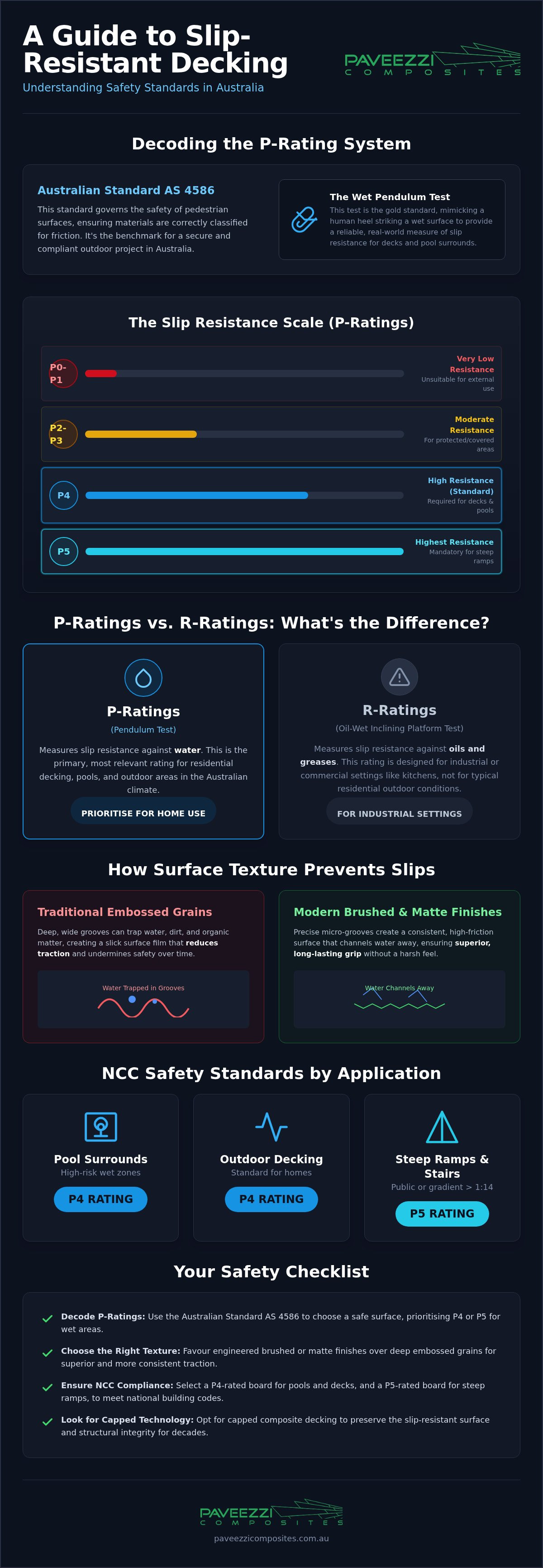
Safety in the Australian backyard is governed by the Australian Standard AS 4586-2013. This standard ensures that pedestrian surfaces are classified correctly based on their friction properties. For anyone installing slip resistant composite decking Australia, understanding these technical benchmarks is the first step toward a compliant and secure project. The primary method used to determine these ratings is the Wet Pendulum Test. This test uses a swinging physical weight to mimic the action of a human heel striking a wet surface. It's considered the gold standard because it accurately represents the conditions of a rain-slicked deck or a splash-prone pool surround.
Most modern Wood-plastic composites (WPCs) are engineered to provide consistent grip, but their performance varies significantly across the P-rating scale. This variety allows homeowners to select a board that matches the specific risk profile of their environment. The classification system allows for a clear distinction between materials based on their performance:
P0 to P1: Very low slip resistance, generally unsuitable for external applications.
P2 to P3: Moderate resistance, typically reserved for indoor transitions or protected areas.
P4: The standard benchmark for outdoor residential decking and pool surrounds.
P5: The highest classification, mandatory for steep ramps and public access stairs.
While a P3 rating might suffice for a covered alfresco area, P4 and P5 ratings are the essential benchmarks for high-risk wet zones. These ratings provide the necessary friction to prevent hydroplaning when water sits on the surface of the boards.
What is a P5 Slip Rating?
A P5 rating represents the highest level of slip resistance achievable under the Wet Pendulum Test. To secure this certification, a surface must demonstrate a high coefficient of friction, typically resulting in a British Pendulum Number (BPN) greater than 54. This extreme level of grip is often mandated for commercial ramps, public stairs, or any area with a gradient steeper than 1:14. It's the ultimate safeguard against accidents in high-traffic, perpetually wet environments. Choosing a P5 board ensures that safety remains the priority, even in the most challenging conditions.
R-Ratings vs. P-Ratings: What is the Difference?
Confusion often arises when homeowners see R-ratings, such as R11 or R12, on technical data sheets. These ratings are derived from the Oil-Wet Inclining Platform test, which is primarily designed for industrial settings like commercial kitchens where oil spills are common. Australian specifiers prioritise P-ratings for residential pool surrounds and decks because they focus on water-based slip resistance. When reviewing a product's technical data, always look for the P-rating first to ensure the material is fit for the Australian climate. Relying on the correct metric prevents costly compliance issues during building inspections.
Surface Textures: How Brushed and Matte Finishes Prevent Slips
Selecting the right slip resistant composite decking Australia involves more than just checking a certification; it requires a look at the engineering of the surface itself. While many traditional composite boards use deep embossing to mimic wood grain, these patterns can often trap water and organic matter. This creates a slick film that actually reduces traction. In contrast, engineered textures like those found in Ressisto 143 Brushed focus on creating a consistent, high-friction interface. These advancements are critical for meeting Australian slip resistance standards, ensuring that your deck remains a safe zone even during heavy summer downpours.
Modern finishes have evolved to solve the "sandpaper" problem. You don't need a rough, abrasive surface to achieve safety. High-performance matte finishes provide a sophisticated look while maintaining a reliable grip. These surfaces reduce sun glare, making the deck more comfortable for the eyes during the peak of the day. It's a balance of form and function that ensures your outdoor area is as practical as it is beautiful.
The Science of the Brushed Finish
Wire-brushing is a precise manufacturing process that creates thousands of micro-grooves across the board's surface. These grooves serve a vital purpose by breaking the surface tension of water. Instead of forming a slippery sheet, water disperses into the texture, allowing footwear or bare feet to make direct contact with the material. It's a subtle engineering feat. This texture feels remarkably natural underfoot, lacking the "plastic" sensation common in basic alternatives. High-density cores support this finish, ensuring the micro-texture doesn't compress or flatten under the weight of heavy outdoor furniture.
Why Capped Composites Retain Slip Resistance
The longevity of a deck's grip depends heavily on its capping. This protective outer layer prevents the "polishing" effect caused by years of foot traffic. Without a robust cap, boards can eventually wear down and become dangerously smooth. Products like Ressisto 138 Extra Matte use advanced polymer shields to maintain their tactile profile. This technology also provides the UV stability required for the harsh Australian climate, preventing the surface from becoming brittle. You can view our technical specifications to see how these capped layers perform under long-term testing.
Application Guide: Safety Standards for Pools and Ramps
Different zones of your property demand specific friction levels to ensure safety. While a level patio might only require a P3 rating under dry conditions, the National Construction Code (NCC) sets higher benchmarks for high-risk areas. For instance, stairs and ramps are critical transition points where the risk of a fall is magnified. According to the Standards Australia handbook HB 198, any ramp with a gradient steeper than 1:14 must achieve a P5 rating to be considered compliant. This isn't just about ticking a box; it's about engineering a space that accounts for the physical forces at play when someone is walking on an incline.
In coastal environments, salt spray can settle on boards, creating a fine, slick layer that compromises grip. Using high-performance slip resistant composite decking Australia is vital here. The micro-textures we discussed in previous sections are essential for cutting through this residue, ensuring the surface remains tactile despite the salt and humidity. Choosing a board that can withstand these elements without losing its texture is the key to a durable coastal deck.
Poolside Safety and Barefoot Comfort
Pool areas are perpetually wet, making them the most challenging environments for any decking material. The primary danger here is hydroplaning, where a thin layer of water separates the foot from the board. A P4 or P5 rating is essential to break this tension and provide immediate traction. Beyond grip, you've got to consider the heat retention factor. Darker boards absorb more UV radiation, which can be uncomfortable for bare feet. We recommend lighter shades from our range, such as silver or light oak tones, which stay significantly cooler while providing the necessary P4 traction for wet feet.
Commercial and Public Space Compliance
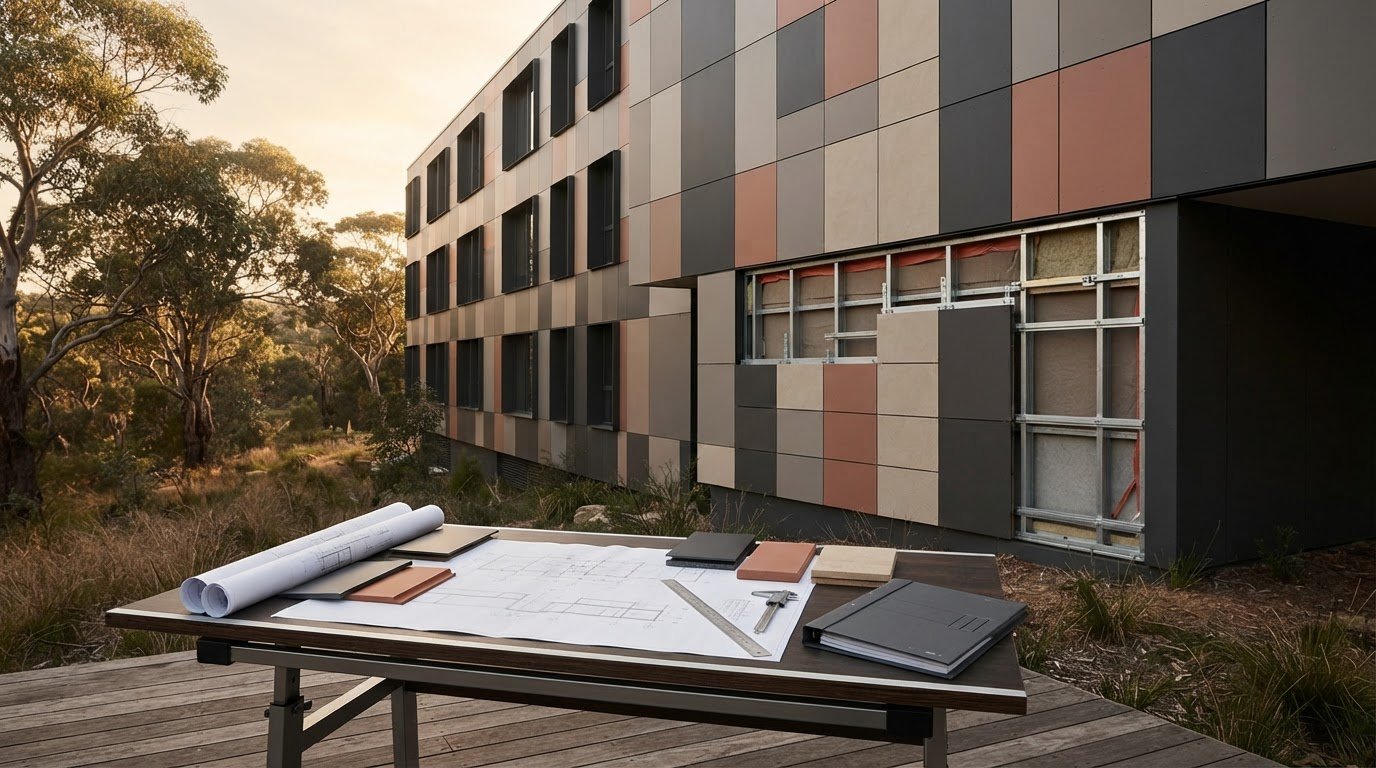
Business owners face significant liability risks if their outdoor spaces don't meet NCC requirements. In public settings, the margin for error is non-existent. Incorporating Ressisto Nosing & Edging Options is a practical way to define stair edges and provide extra grip where it's needed most. For holistic project design that maintains this standard across all surfaces, consider how architectural composite cladding can complement your safety-first decking choice. Ensuring every element of your build meets these standards protects both your guests and your investment.
Why Paveezzi’s High-Performance Ranges are the Safest Choice for 2026
Since 2010, Paveezzi Composites has operated as a family-run Australian supplier, positioning itself as a trusted pioneer in the composite industry. We recognise that safety is a long-term commitment, not a temporary feature. Every board we provide is the result of meticulous engineering aimed at solving the specific pain points of the Australian climate. When you choose our slip resistant composite decking Australia, you're investing in a product backed by a decade of architectural supply experience and a deep understanding of local safety requirements.
Transparency is the foundation of our partnership with homeowners and builders alike. We subject our products to rigorous testing to ensure they perform under pressure, from the intense UV of a summer afternoon to the sudden drenching of a tropical storm. For those requiring documented proof of performance for building inspectors or insurance purposes, we encourage you to consult our Resources section. There, you'll find full slip-rating certificates that validate the integrity of our Ressisto and Riviera series.
A safe deck also requires a stable foundation. Even the most slip-resistant board can become a hazard if water is allowed to pool on the surface. By utilising Rhino Pedestals, you create a sub-structure that facilitates rapid drainage. This prevents slippery puddles from forming, ensuring that the engineered texture of the board can do its job effectively. It's a holistic approach to safety that considers the entire deck system from the ground up.
Engineered for Australian Conditions
Our boards are specifically designed to resist the thermal expansion that often plagues lower-quality materials. This resistance prevents the warping and uneven surfaces that can lead to hazardous trips. The Ressisto 138 Extra Matte finish further enhances safety by significantly reducing sun-glare, a common factor in outdoor accidents. We remain steadfast in our commitment to supplying only non-rot, high-traction materials that provide peace of mind for decades.
Expert Support for Your Project
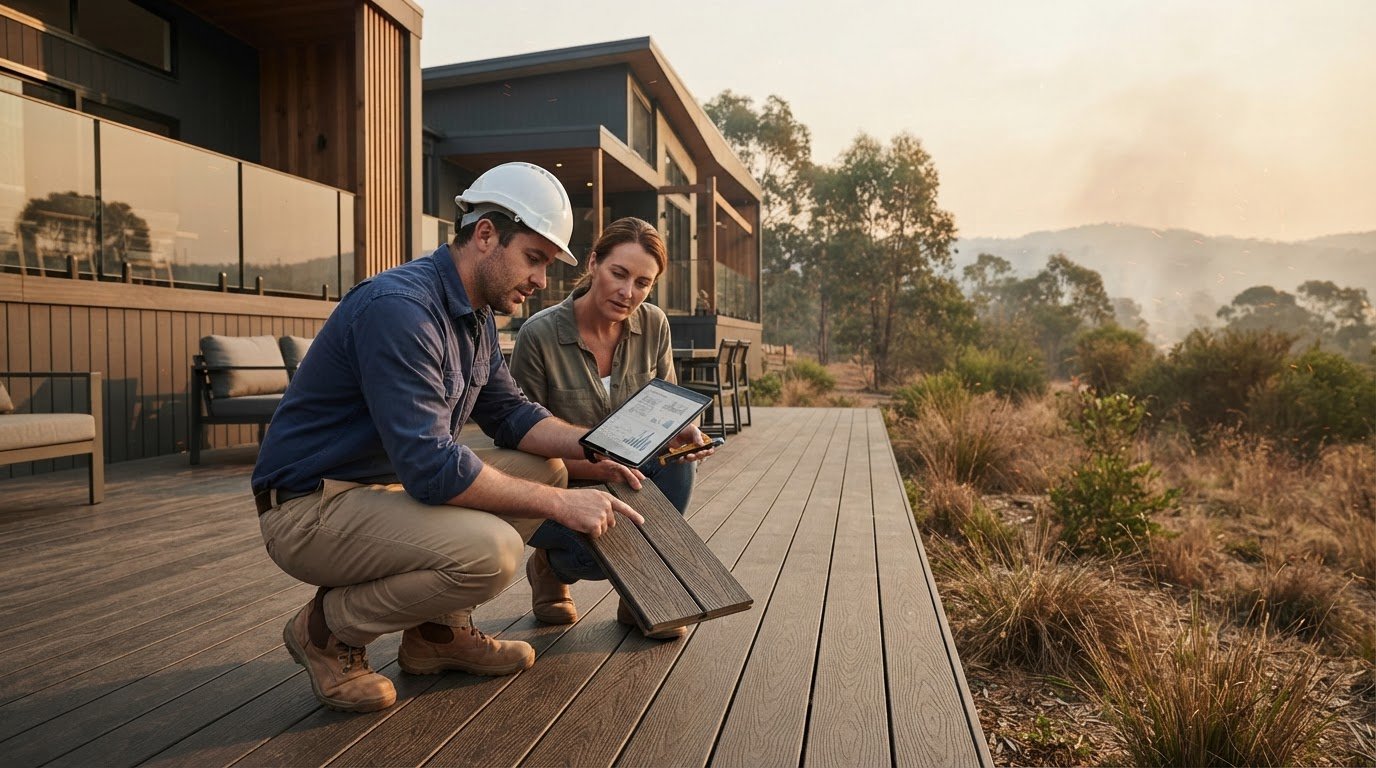
While Paveezzi does not provide direct installation services, we act as a dedicated partner by providing the precise technical data your builders and architects need for NCC compliance. We pride ourselves on being accessible problem solvers for both residential and large-scale commercial projects. If your next build requires a specialised quote or technical consultation, our team is ready to assist with professional authority and approachable warmth.
Building a Safer Australian Backyard
Creating an outdoor space that is both visually stunning and technically sound requires a focus on precision engineering. We've explored how understanding the P-rating system ensures your project meets strict AS 4586:2013 standards, particularly in high-risk zones like pool surrounds and ramps. By choosing textures like our brushed and matte finishes, you're opting for a surface that breaks water tension without the abrasive feel of lower-quality alternatives. It's about finding that perfect balance between style and steadfast reliability.
As a family-run business supplying high-end projects since 2010, Paveezzi remains a trusted pioneer in providing high-performance materials. Our range of slip resistant composite decking Australia is specifically engineered for our extreme climate, offering P5-rated options that stand the test of time. You don't have to compromise on the natural look of timber to achieve the highest safety benchmarks. We're here to help you navigate the technical requirements so you can focus on enjoying your new deck with complete peace of mind.
Secure Your Project with Premium Slip-Rated Decking
Frequently Asked Questions
What is the highest slip rating for composite decking in Australia?
The highest classification for slip resistance in Australia is a P5 rating, determined by the Wet Pendulum Test under the AS 4586-2013 standard. This rating is typically reserved for the most demanding applications, such as commercial ramps with steep gradients or public stairs. For most residential projects, a P4 rating provides a high level of safety, but P5 remains the ultimate benchmark for maximum traction in high-risk wet environments.
Is composite decking more slippery than natural timber when wet?
High-quality slip resistant composite decking Australia is often less slippery than natural timber, especially when the timber is oiled or has developed a layer of algae. While raw timber has natural grain, it can become dangerously slick without regular maintenance. Engineered composite boards, such as the Ressisto 143 Brushed range, feature consistent micro-textures designed specifically to break water surface tension and provide reliable grip that doesn't rely on constant sealing.
Do I need a P5 slip rating for my residential pool deck?
Most residential pool surrounds in Australia require a minimum P4 rating to comply with safety standards and provide adequate traction for wet feet. A P5 rating is generally only mandated for ramps steeper than a 1:14 gradient or specific commercial settings. However, many homeowners choose P5-rated boards for added peace of mind, especially in high-traffic areas where young children or elderly family members are frequently present near the water's edge.
Does the slip resistance of composite decking wear off over time?
The slip resistance of premium capped slip resistant composite decking Australia is designed to last for decades without significant degradation. Unlike older generations of uncapped boards that could "polish" and become smooth over time, modern ranges like Ressisto 138 Extra Matte use a protective polymer shield. This capping preserves the engineered surface texture against the friction of foot traffic and the harsh effects of UV exposure, ensuring the boards maintain their certified P-rating throughout their lifespan.
Are darker composite boards more slippery than lighter ones?
The colour of a composite board does not directly influence its slip resistance rating, as the friction is determined by the surface texture rather than the pigment. However, darker boards can absorb more heat in the Australian sun, which might affect barefoot comfort. Safety is more closely linked to the finish; our Extra Matte options are particularly effective at reducing sun-glare, which can be a visual hazard during the brightest parts of the day.
How do I clean my slip-resistant deck without damaging the texture?
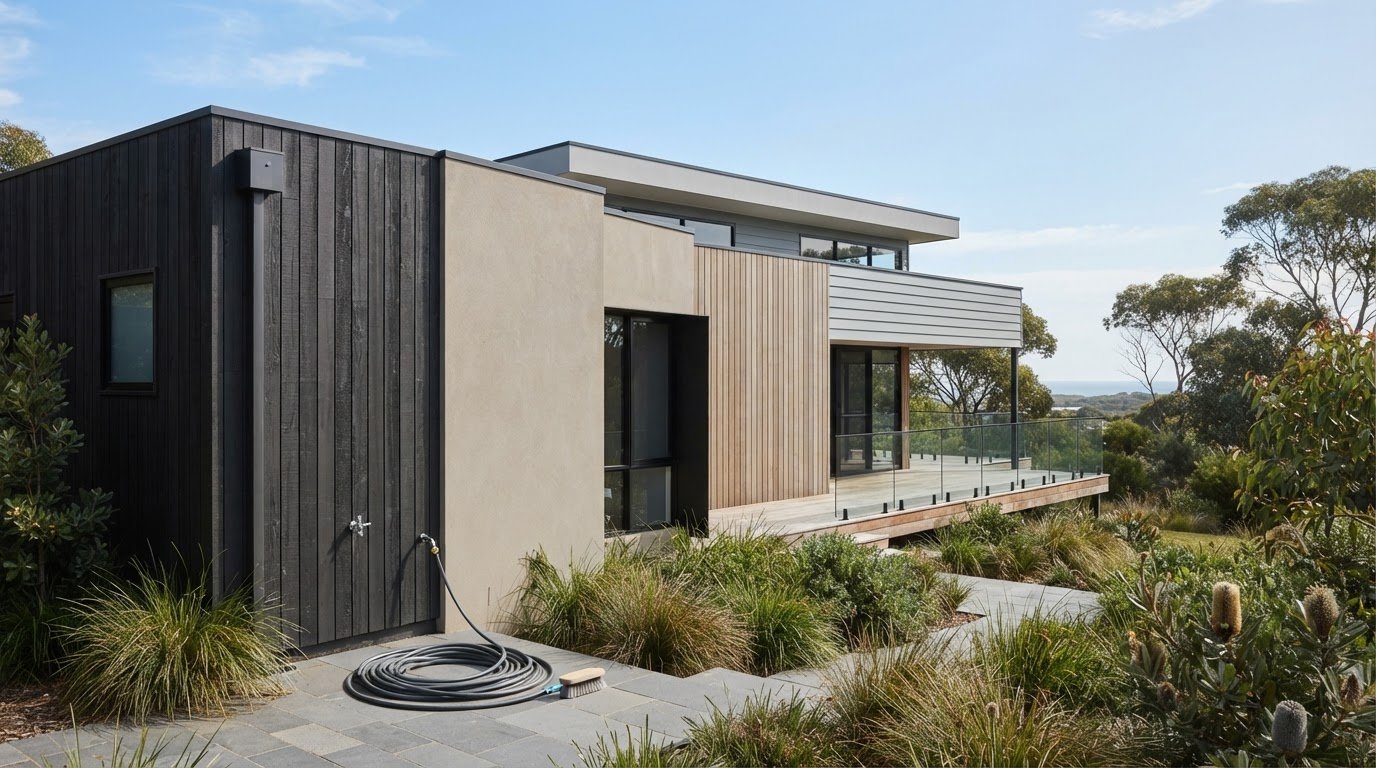
Maintaining your deck's texture is simple and doesn't require harsh chemicals or abrasive tools. We recommend using a soft-bristled broom and warm, soapy water to remove dirt and organic debris that could otherwise create a slippery film. Avoid using high-pressure washers at close range, as the intense force can eventually wear down the fine micro-grooves of the brushed finish. Regular, gentle cleaning ensures the slip-resistant properties remain effective for years.
Comments